
O2 measurement architecture from ambient monitoring to process applications

Oxygen sensors: choose O2 measurement for your gas conditions

Oxygen sensors can be used for very different tasks, including ambient air monitoring, residual O2 in an inerting line or hot process gas. These applications do not require the same cell and electronics. VOMRO defines a custom measurement device scope by evaluating electrochemical sensors or suitable analysers alongside the sample path, electronics, embedded software and validation conditions.

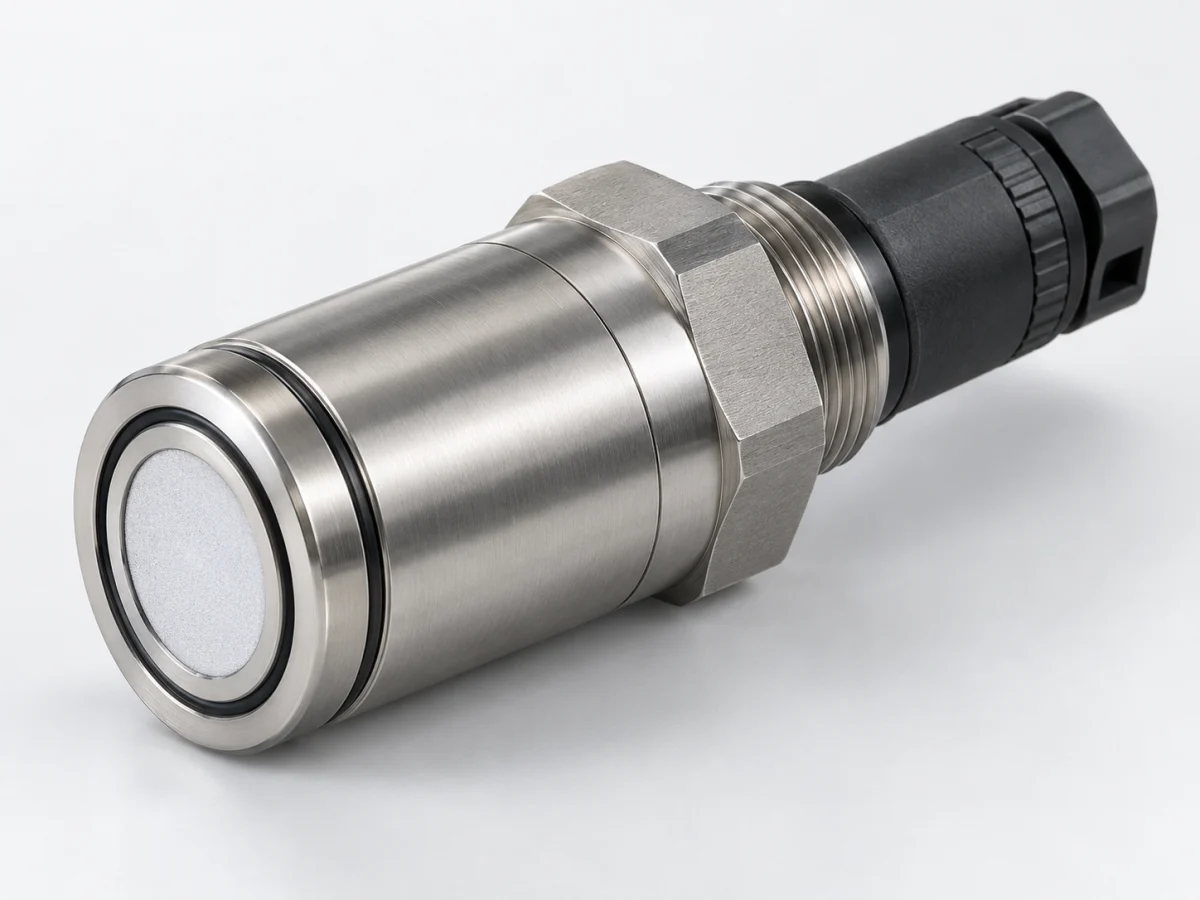
Finished industrial oxygen measurement cell with a protected diffusion surface and electrical connection
Illustrative sensor product image.
AimPercentage or trace-level O2
MethodCell or process analyser
Important conditionPressure, humidity and gas composition

VOMRO engineering approach

Describe the sample composition as well as the oxygen level to measure.

Monitoring percentage-level O2 and detecting very low residual oxygen in nitrogen or argon require different sensitivity and leak tightness. Hot or dusty gas, or gas containing combustible constituents, also changes method selection. Selection cannot be based solely on the name oxygen sensor or a matching connector.

A device displaying oxygen percentage does not identify the other gas constituents. For example, falling O2 alone does not prove rising nitrogen. Gas-phase O2 measurement also differs from dissolved oxygen measurement in liquids and optical oxygen measurements on people. This page covers engineering projects using gas sensors.

The complete measurement process

From sensed quantity to usable data

  1. 01Defined gas sample
  2. 02O₂ measurement principle suited to the gas
  3. 03Pressure, flow and calibration
  4. 04O₂ result and validity

Conceptual diagram. The actual measurement range, error budget and validation plan are defined for the application.

01

Galvanic and amperometric O2 cells need different circuits

A galvanic oxygen cell produces current from an electrochemical reaction involving oxygen. A suitable reading circuit measures this signal. Alongside conventional and lead-free galvanic designs, amperometric cells require a specific working-electrode voltage. Their power, stabilisation and service-life characteristics differ.

Alphasense's product range includes both two-pin galvanic options and three-pin options requiring an applied voltage. This shows that lead-free alone does not describe the circuit architecture. Verify electrode connections, load and front-end requirements in the datasheet when selecting a new cell. Fitting the same mechanical socket does not establish electrical or measurement compatibility.

02

When should a paramagnetic analyser be considered?

Paramagnetic analysis uses oxygen's attraction to a magnetic field. It offers a measurement architecture different from the consumption behaviour of an electrochemical cell. There is more than one paramagnetic mechanism, however; flow, vibration and background-gas effects must be assessed for the selected design.

It may be a suitable analyser option for continuous process monitoring. Sample cleaning and preparation of flow and pressure may still be necessary. The paramagnetic label does not mean any dirty or corrosive gas can connect directly. Compare wetted materials and manufacturer sample limits with the intended mixture. The interface board should capture the analyser's own fault status alongside the measurement.

03

Understand the heated cell limitations of zirconia sensors

Zirconia can conduct oxygen ions at certain high temperatures. Analysers using this property include different arrangements such as concentration cells and limiting-current designs. A concentration cell relates to the ratio of oxygen partial pressures on its two sides. Heater control and appropriate measurement electronics are integral to the system.

Combustible constituents can react near the hot cell and alter the O2 result. Yokogawa's technical explanations therefore emphasise selecting zirconia methods alongside gas composition. Dust, blocked inlets and reference conditions are also evaluated. A probe developed for hot process measurement should not be connected in the same way as a low-power room-type cell.

04

Percentage, ppm, partial pressure and wet-gas basis

An O2 concentration of 1% by volume equals 10,000 ppm. This conversion does not establish that a percentage-scale sensor is adequate at trace levels. For low residual oxygen, zero stability, air leaks and calibration gas uncertainty may determine the result. Additional display digits do not create additional measurement capability.

Under an ideal approximation, oxygen partial pressure is its mole fraction multiplied by total pressure. Examine how the measured signal depends on that quantity or diffusion for the sensor type; the same correction does not apply to every O2 cell. Water vapour is also part of the gas composition. Percentage readings from dried samples and wet processes must not be compared without stating a common basis.

05

Design the sample line and materials for the target level

In trace O2 measurement, ambient air entering a line can resemble a real process change. Leak-tight connections, a suitable regulator, reduced dead volumes and sufficient stabilisation time matter. For percentage-level ambient monitoring, evaluate representative gas contact, an unobstructed inlet and placement compatible with airflow.

Condensation, dust and chemical contact can limit cell or sample-path suitability. For oxygen-enriched gases, wetted materials and cleanliness require separate consideration; an arbitrary pump or oily connection is not automatically suitable. Record how sample drying or filtration changes the measurement basis.

06

Establish calibration for the operating range and method

The selected cell or analyser instructions determine which zero and reference points to use for calibration. An ambient-air check alone does not validate very low residual O2 measurement. Check-gas composition, pressure, moisture basis and connection arrangement must match the application target.

Measure existing deviation first; adjust if necessary and verify again. Reassess checking needs after extended use, chemical exposure or cell replacement. Software can store calibration dates, coefficients and sensor identity. This makes changes between cells and field conditions traceable; a single service life or maintenance interval is not generalised across all technologies.

07

Requirements and delivery plan for a custom O2 device

At the outset, share the target O2 range, other gases in the mixture, temperature, pressure and humidity. Will sampling be directly from the environment or from a gas line? Include battery or fixed power, measurement frequency, display, logging, field connections and maintenance access. If an existing sensor is used, its exact model and connections are reviewed.

VOMRO can develop an analogue reading board for a suitable cell or a data interface for an analyser. The display distinguishes startup, warm-up, invalid measurements and connection loss. Acceptance tests cover the path from sample inlet to recorded file. Project sources and technical documents are listed as deliverables; medical use or certified life-safety functions are not promised unless separately defined.

Matching O2 measurement methods to applications
MethodMain characteristicImportant selection condition
Galvanic electrochemicalProduces current from an oxygen reactionService life, gas matrix and reading circuit
Amperometric electrochemicalOperates at a defined electrode voltagePower continuity and startup behaviour
Paramagnetic analysisUses the magnetic properties of O2Sample preparation and model-specific gas effects
Zirconia analysisOxygen-ion conductivity at elevated temperatureCombustible constituents, heater and reference conditions

How it works

A clear process from start to delivery.

Not every project looks the same; however, the measurable requirement, controlled revision, and field verification steps remain unchanged.

  1. 01

    Document the gas and range

    Define the percentage or trace O2 target, gas composition and moisture basis.

  2. 02

    Compare methods

    Evaluate the cell, analyser, power and sample conditions together.

  3. 03

    Test the entire chain

    Test deviation, delay and fault behaviour from gas inlet to display.

  4. 04

    Define maintenance and delivery

    Document check gases, cell replacement, records and sources.

Frequently asked questions

Before starting the project

The technical scope, deliverables and test plan are clarified together according to the requirements of your project.

Can an O2 sensor determine nitrogen purity definitively?

O2 measurement alone does not establish that every other constituent is nitrogen. Gas composition and necessary impurity measurements must be assessed separately for nitrogen purity.

Does a lead-free O2 sensor always use the same circuit type?

No. There are lead-free galvanic options and amperometric options requiring applied voltage. Verify electrode connections and operating conditions in the selected model's datasheet.

Can a percentage-scale sensor measure very low residual O2?

Reliable results cannot be assumed unless the datasheet specifies adequate performance at that level. Trace measurement requires a suitable range, zero stability and a leak-tight sampling arrangement.

Is zirconia suitable for every gas mixture?

No. Effects of combustible constituents at the hot cell, dust and sample conditions must be evaluated. Select the method according to mixture composition and manufacturer application limits.

Does the same sensor measure gaseous oxygen and dissolved oxygen in water?

These are different measurement environments. A probe designed for dissolved oxygen, its calibration and flow conditions are selected separately; directly immersing a gas-phase sensor in liquid is inappropriate.

Is an ambient-air check sufficient for every O2 measurement?

No. Zero and low-range performance require separate verification, particularly for trace measurements. Reference points and checking methods follow the relevant analyser's instructions.

Your project, your product

Developed confidentially and delivered with source files.

We may work with a confidentiality agreement (NDA) before sharing technical details. At the end of the project, we deliver the source codes, design files and technical documents we have developed to you.

  • NDA before sharing technical information
  • Clear deliverables agreed at the outset
  • Source and technical files at the end of the project
Our confidentiality and delivery process
Let's start with your idea

Share your oxygen measurement range and sample

Start with gas composition, pressure, temperature and connection requirements; we can define a custom device scope around a cell or analyser.