
Sensor technologies

Understand your sensor. Design your measurement system correctly.

Which sensor measures what, under which conditions does it give meaningful results, and how does it connect to your device? Our 15 guides explain the complete measurement process, from temperature and humidity to gas analysis, thermocouples, and marine and aviation applications.

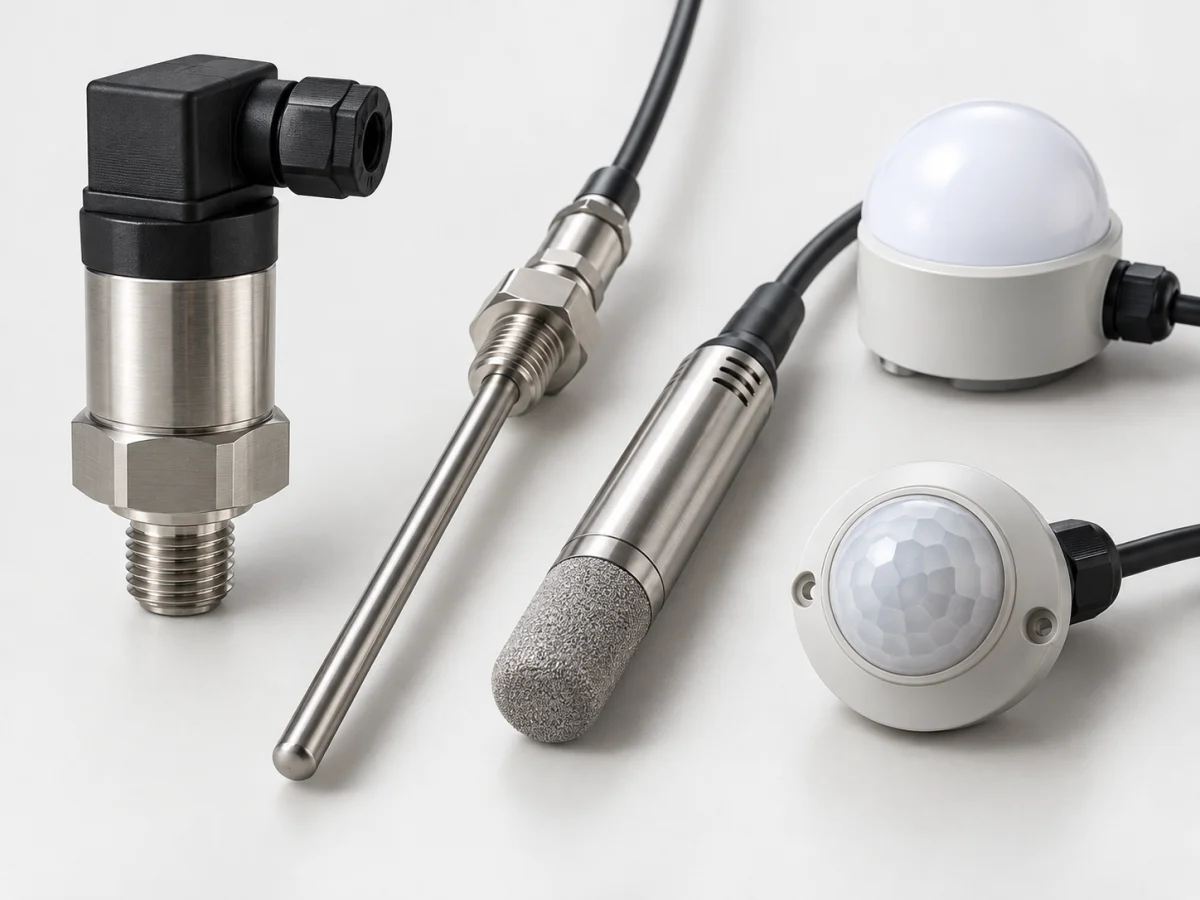
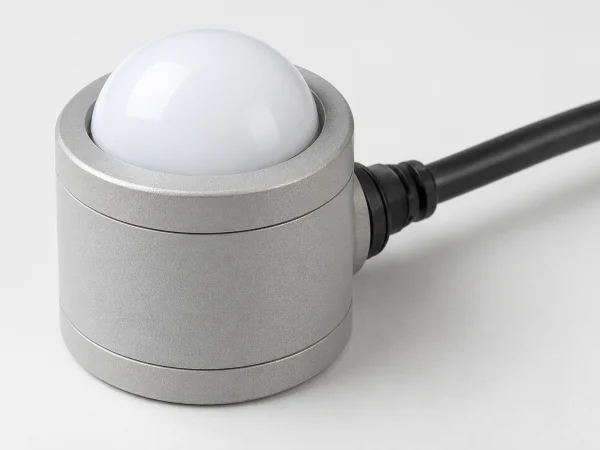
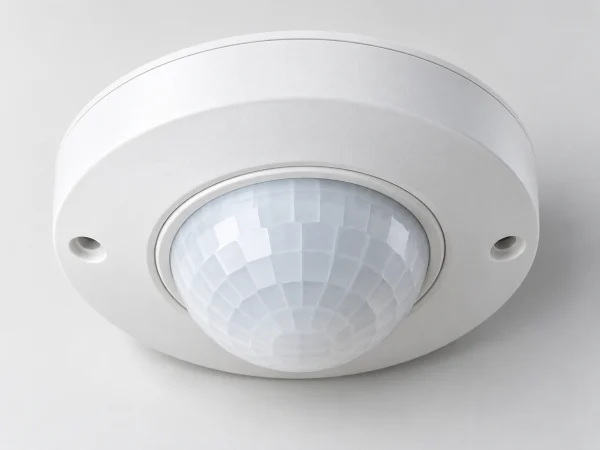
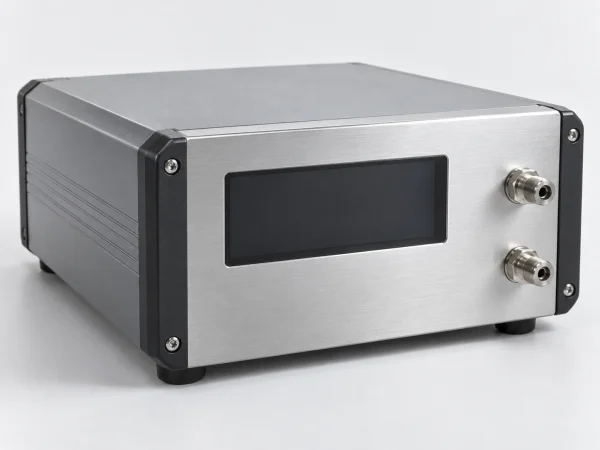
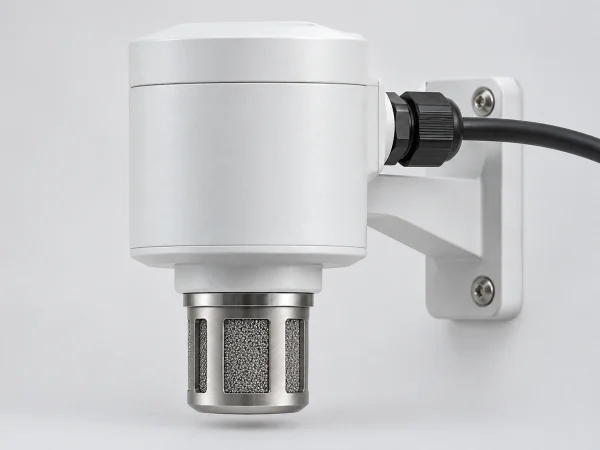
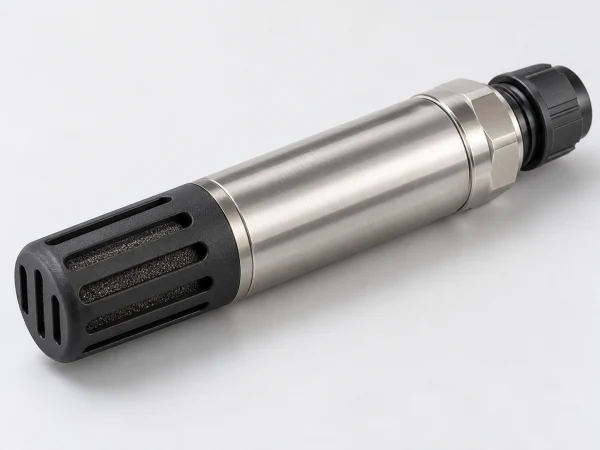
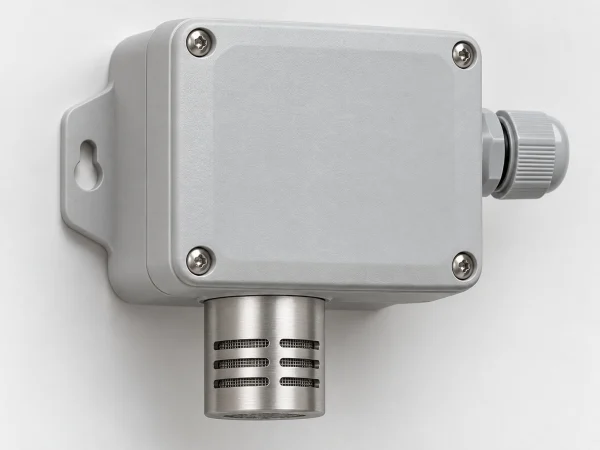
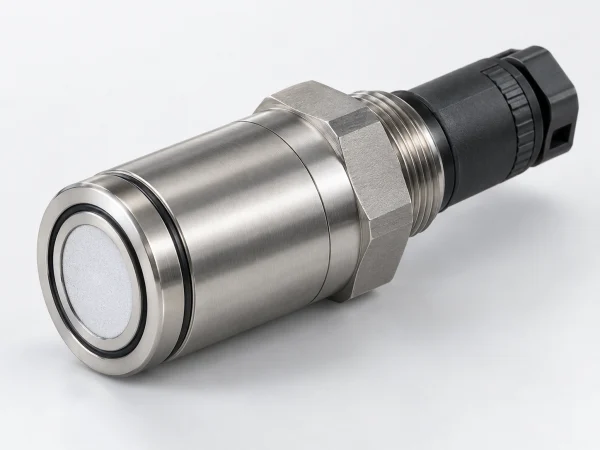
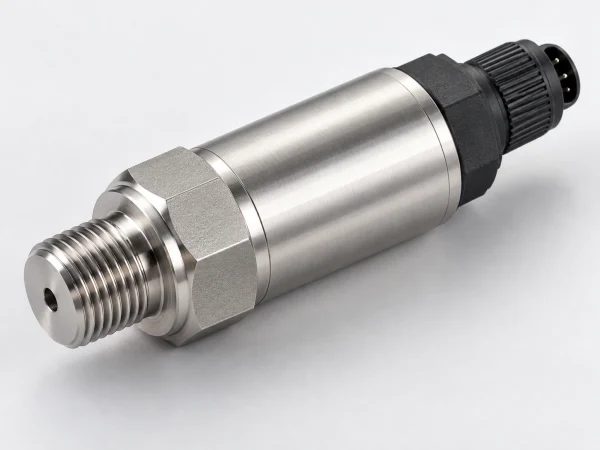
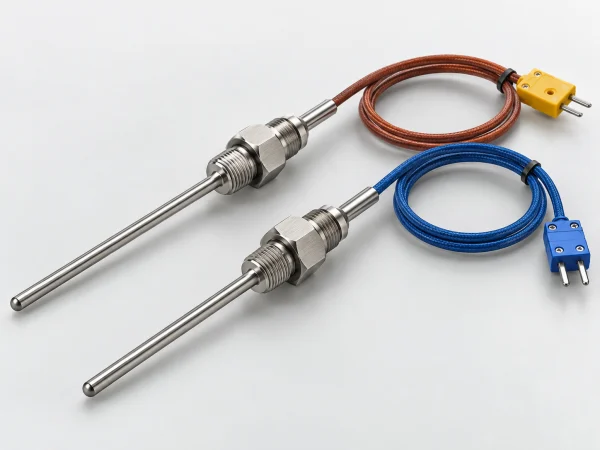
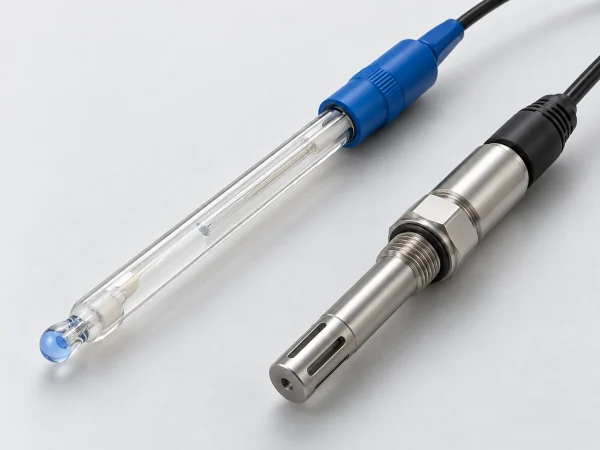
Illustrative product group of finished pressure, temperature, humidity, light and motion sensors
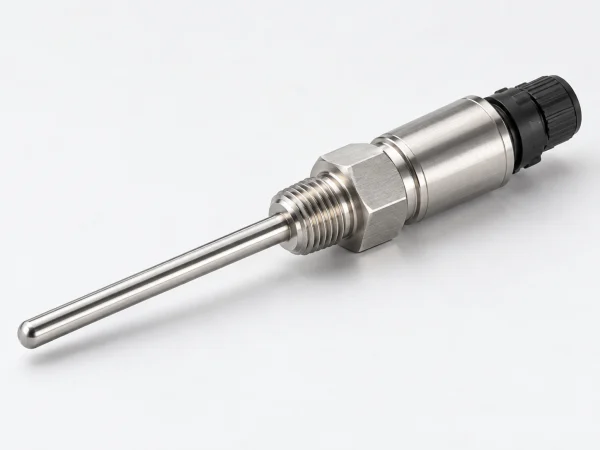
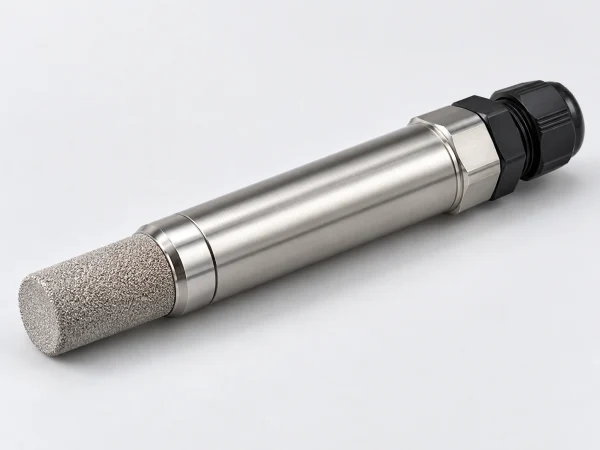
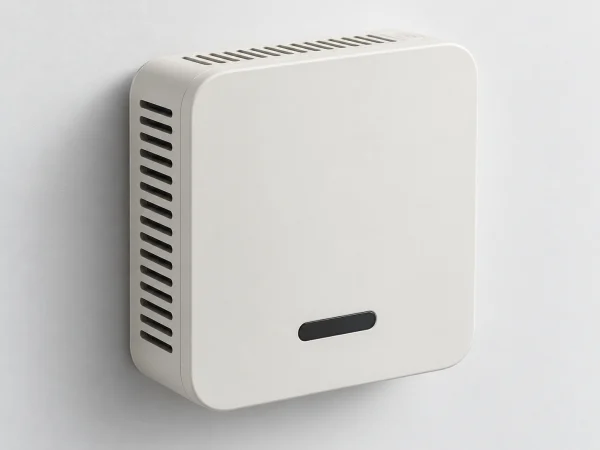
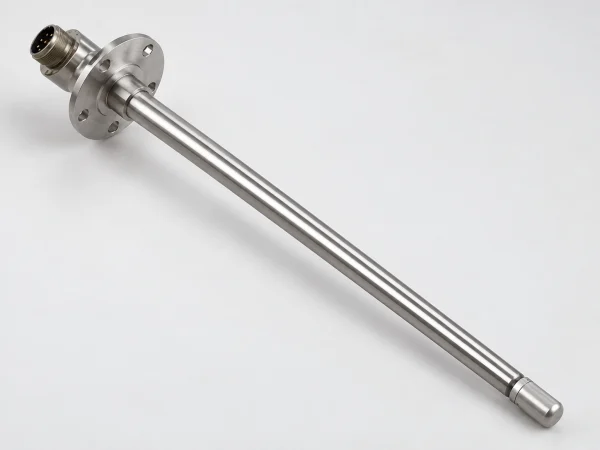
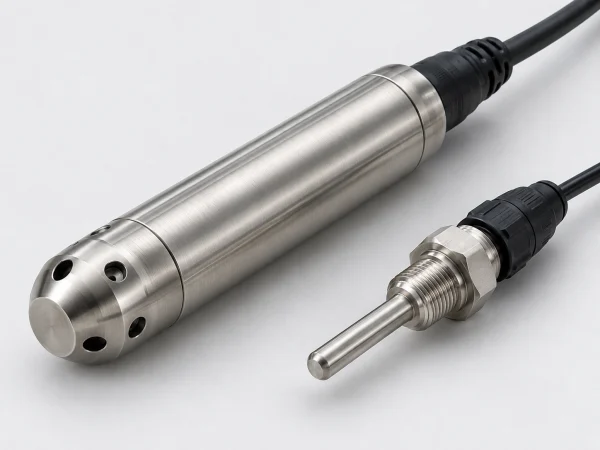
Illustrative sensor product image.
15 individual guidesPrinciples, selection and application
The complete measurement processSensor + electronics + software
Project approachPrototyping and validation

VOMRO engineering approach

Choosing the right sensor starts with the quantity you want to measure.

Reading a number from a device and obtaining a measurement that meets your needs are not the same thing. Measurement range, accuracy target, response time, placement and environmental conditions must be considered together. Datasheet resolution is not a substitute for the accuracy of the complete device. Similarly, a temperature sensor, gas cell and chemical electrode do not use the same electronic front end.

These guides are intended for manufacturers and technical teams who want to understand a sensor's operating principle, investigate possible causes of incorrect results in an existing device or prepare the scope of a new project. Each page addresses suitable methods, selection questions, calibration and operating limitations separately.

At VOMRO, we develop project-specific measurement electronics, PCBs, embedded software, communication and mechanical integration around available sensing elements and modules. Where needed, sample preparation, reference comparisons and field trials are included in the project plan. This development scope does not mean that we manufacture the sensor itself or that a particular conformity approval is already in place; deliverables and validation responsibilities are clarified at the outset.

Start with the quantity you want to measure

Sensor selection and application guides across 15 topics

Each topic focuses on a different measurement problem. Learn the principles, compare methods and prepare the information your project needs.

01

What information should you gather before selecting a sensor?

First, define the measured quantity and the decision it supports: displaying temperature, logging a cold chain, detecting motion and monitoring process gas composition are different needs. Then document the expected normal range, potential extremes and acceptable error. The measurement location, the material through which the sensor contacts the environment and the required update time narrow the selection.

Power, cable length, analogue or digital output, the existing control system and recording requirements are all parts of the same specification. Sharing the use case, measurement range, environment, target quantity and integration needs when requesting a quotation provides a more concrete starting point than naming a sensor alone.

02

Why are error, resolution and calibration separate topics?

Resolution describes the smallest step a display can distinguish; accuracy concerns how close a result is to a reference. Repeatability is the ability to obtain similar results under the same conditions. Hysteresis, drift, noise, mounting and environmental effects may also be present. The error budget cannot be completed from the sensor datasheet alone.

Calibration requires comparison with a traceable reference, recording conditions and evaluating uncertainty. Applying a software correction at one point does not automatically establish performance across the full range or confer authority to issue a calibration certificate. The relevant guide explains which effects matter most for each sensor family.

03

How does sensor data become usable in your device?

The sensor output is read using suitable power, protection, an analogue front end or a digital communication interface. Software carries the measurement's unit, timestamp, operating state and error information together. Displaying a number without knowing when the last valid value was produced can conceal a lost connection.

In VOMRO projects, this chain is considered together with the custom circuit board, firmware, enclosure, cable connections and server software where needed. Comparisons made with the actual prototype layout help assess what the measurement means in your application.

How it works

A clear process from start to delivery.

Not every project looks the same; however, the measurable requirement, controlled revision, and field verification steps remain unchanged.

  1. 01

    Define the quantity

    Determine which result you will use, where and for what purpose.

  2. 02

    Document the conditions

    Share the range, environment, response time and connection requirements.

  3. 03

    Compare methods

    Let us evaluate suitable principles and sources of error together.

  4. 04

    Validate with a prototype

    Compare results using the actual enclosure and operating conditions.

Frequently asked questions

Before starting the project

The technical scope, deliverables and test plan are clarified together according to the requirements of your project.

Do you sell sensors or develop custom devices?

This section describes VOMRO's approach to sensor-based measurement electronics and device development. Sensing element or module selection, electronics, software and mechanical integration are planned according to project needs; this is not a stock and sales catalogue for ready-made sensors.

Can you connect an existing sensor to our own board?

Interface development can be evaluated after reviewing the sensor datasheet, power requirements, output type, cable and operating environment. Whether the sensor actually measures the intended quantity and meets the target error limit is verified separately.

Is one communication method suitable for every sensor?

No. A short connection within a board and a long cable in an industrial installation face different conditions. The interface is selected according to distance, noise, energy use, update rate and the existing system.

What information should I send with a project enquiry?

The measured quantity, purpose, measurement range, accuracy target, environmental conditions, connection type and expected quantity are useful starting points. If an existing sensor or device is involved, you can also share its model, datasheet and the problem encountered.

Your project, your product

Developed confidentially and delivered with source files.

We may work with a confidentiality agreement (NDA) before sharing technical details. At the end of the project, we deliver the source codes, design files and technical documents we have developed to you.

  • NDA before sharing technical information
  • Clear deliverables agreed at the outset
  • Source and technical files at the end of the project
Our confidentiality and delivery process
Let's start with your idea

Let us evaluate your measured quantity and device together.

Start with the purpose, range, environment and connection needs; together, we can clarify the sensor and electronics scope.