
Agricultural IoT

Precision agriculture technologies and sensor systems

We develop custom electronic solutions that collect field data on soil, plants and microclimate and communicate with irrigation and automation systems.

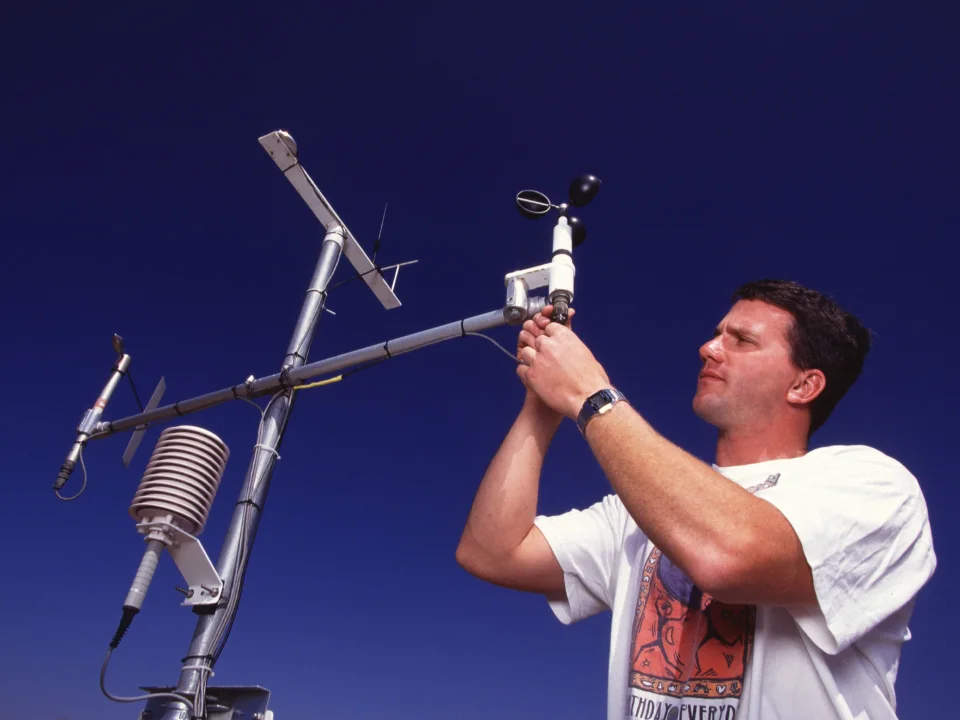
Installation of field sensors and meteorological measurement station
Agricultural measurement and field sensors
FieldOpen field + greenhouse
ConnectionLoRa, 4G/5G, Wi-Fi
EnergyGrid, battery or solar

Your project, your product

Developed confidentially and delivered with source files.

We may work with a confidentiality agreement (NDA) before sharing technical details. At the end of the project, we deliver the source codes, design files and technical documents we have developed to you.

  • NDA before sharing technical information
  • Clear deliverables agreed at the outset
  • Source and technical files at the end of the project
Our confidentiality and delivery process

VOMRO engineering approach

The right decision in agriculture starts with data collected in the right place.

A soil moisture measurement at one point can be misleading if generalised to an entire field. Soil structure, root depth, irrigation lines and slope directly affect sensor placement. We therefore begin a precision agriculture project by understanding the decision the measurement must support before selecting a sensor from a catalogue.

VMR can develop a custom electronic board for reading soil and climate sensors, low-power software, field communication and data transfer together. The aim is not to show a ready-made dashboard, but to build infrastructure that supplies reliable data to the grower's or agricultural technology company's existing irrigation, fertilisation or monitoring process.

01

Soil, water and microclimate measurements

Depending on the project objectives, monitoring can include soil moisture and temperature, electrical conductivity (EC), pH, ambient temperature and relative humidity. Greenhouse applications may also include CO₂, light or PAR, leaf wetness and tank level. Sensor type is selected according to soil structure, expected measurement range, maintenance frequency and calibration requirements.

Protection for analogue probes must account for cable length, grounding and lightning-induced surges. For digital sensors, bus topology, addressing and field connectors matter. By controlling sensor power, the measurement board can reduce energy consumption and isolate a faulty probe from the other channels.

  • Soil moisture, temperature, EC and pH
  • Greenhouse climate, CO₂, light and relative humidity
  • Level, pressure and flow measurements
02

Low power field device and communication

In fields without electricity, the device's energy budget is as important as sensor selection. Measurement interval, modem operating time, battery chemistry and solar panel capacity are calculated together. Sleep current, battery behaviour in cold or hot weather and humidity inside the enclosure are evaluated at the prototype stage.

LoRa or LoRaWAN can support small data volumes over a wide area, while 4G/5G can serve sites requiring direct internet access and larger data transfers. Where connectivity is weak, we plan local measurement storage, packet retransmission and remote reporting of device health.

  • Low power consumption and battery calculation
  • LoRa/LoRaWAN, 4G/5G or Wi-Fi
  • Field enclosure, protection and fittings
03

Irrigation automation and decision data

If measurements will guide irrigation, we clarify the responsibilities of the valve, pump, fertigation unit and existing control cabinet. The system may operate on thresholds alone or incorporate schedules, zone priorities, rainfall information and the operator's own recipes.

In the web panel, historical trends, sensor comparisons, communication outages and irrigation records are more meaningful than current values. For this reason, we do not consider the database and reporting side separately from the device software. If necessary, data is transferred to the existing agricultural software or the institution's own platform via API.

  • Valve and pump control
  • Threshold, schedule and zone scenarios
  • Web panel, alarm and historical data analysis

How it works

A clear process from start to delivery.

Not every project looks the same; however, the measurable requirement, controlled revision, and field verification steps remain unchanged.

  1. 01

    We understand the field

    Crop pattern, field structure, irrigation method and existing infrastructure are evaluated.

  2. 02

    We choose the measurement

    The sensors, placement and sampling interval that affect the decision are determined.

  3. 03

    We set up a pilot

    Data quality, energy budget and communications are verified in a limited field.

  4. 04

    Scale the system

    The verified node structure scales to regions and new sensors.

Frequently asked questions

Before starting the project

The technical scope, deliverables and test plan are clarified together according to the requirements of your project.

Should an off-the-shelf agricultural sensor or a custom sensor board be used?

The decision depends on measurement accuracy, field service life, maintenance, quantity and cost. Off-the-shelf industrial probes can be used with a custom data acquisition board, or the sensor interface can be fully custom-developed where appropriate for the project.

Does the system work in areas where there is no internet?

Local LoRa network, cellular connectivity, offline recording and later data synchronization options can be considered together depending on site coverage.

Can it be connected to the existing irrigation electrical control panel?

After reviewing the cabinet's inputs and outputs and the safety scenario, integration can use dry contacts, analogue signals, Modbus or another suitable interface.

Can we work with NDA before sharing technical details?

Yes. We can complete the NDA arrangements together before you share your project's technical details.

Do you deliver source codes and technical files at the end of the project?

Yes. We deliver the source codes, design files and technical documents we developed within the scope of the project to you at the end of the project. The delivery list and file formats are clarified at the beginning.

Let's start with your idea

Let's talk about the product you dream of and the need you want to solve.