
Technical decision guide · Agricultural IoT

How to choose sensors and connectivity for an agricultural IoT project

When the sensor, radio and battery are selected separately in an IoT system to be used in the field or greenhouse, important relationships may be overlooked. These decisions can be made together once the purpose of the measurement, site layout, and how frequently the data will be used are clear. This guide provides selection criteria that will embody the project plan.

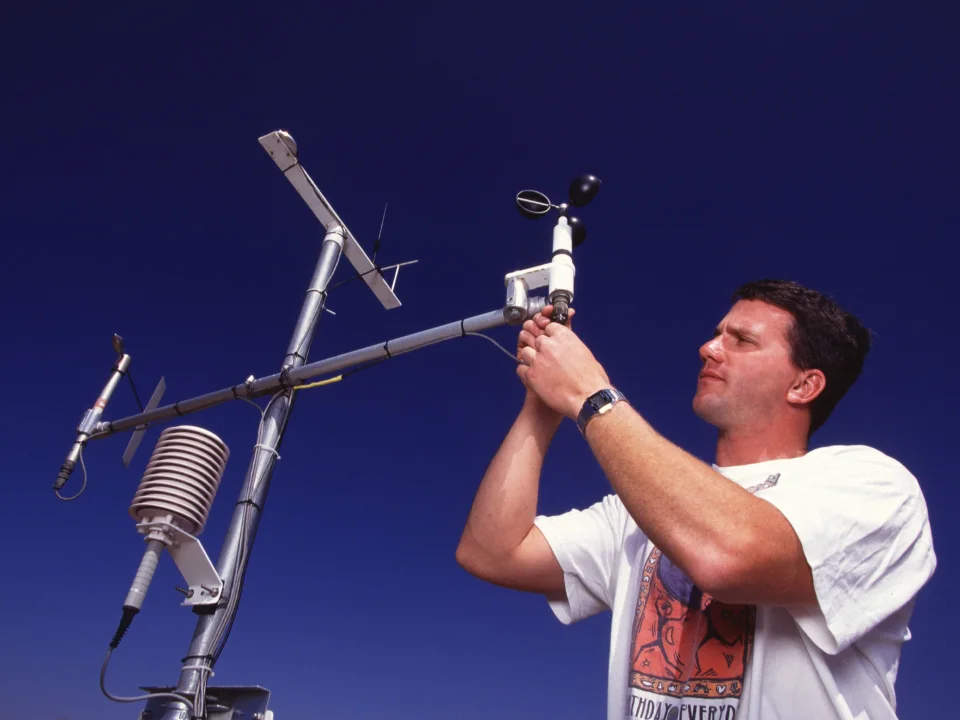
Installation of field sensors and meteorological measurement station
Agricultural measurement and field sensors
BeginningThe decision that the measurement will support
SelectionSensor + network + energy
VerificationPilot field and recorded result

VOMRO engineering approach

First determine what data is needed, where and when.

Climate monitoring within a greenhouse and soil measurement over a large area may not require the same network structure. While one includes available energy and local network, the other may include batteries, solar panels and remote access. High data frequency that does not support field decision may unnecessarily increase storage and energy needs.

The initial technical document should specify measured quantities, measurement locations, expected ranges, logging intervals and intended interventions. The operator's agricultural expertise is a key input. Electronics and software teams translate this into sensor interfaces, communication, a data model and a test plan. The following steps show a possible order for prototype decisions.

01

1. Do not select the sensor based on measurement range alone

Soil moisture, temperature, EC, pH, pressure and flow require different measuring chains. In addition to the specified range of the sensor, accuracy, repeatability, response time, calibration and maintenance need should be examined. The usage environment and the measurement method of the sensor are evaluated together. Reliable measurement of a quantity is a broader issue than the board producing high resolution data.

Placement is also part of the selection. Sensor points may give different results depending on soil structure, root zone and irrigation line. In case of ambient temperature or humidity, heat and air circulation inside the housing may affect the measurement. Record why measurement points were chosen in the pilot; Determine the reference control method and maintenance plan from the beginning. This provides a basis for comparison when the device is changed or new points are added.

  • Measuring range, accuracy and calibration
  • Placement rationale and how well it represents field conditions
  • Access for cleaning, maintenance and sensor replacement
02

2. Consider the sensor interface with field cable

A sensor beside its circuit board and one connected through a long field cable require different assessments. The choice of analogue voltage, current output or digital communication depends on measurement, power and cabling conditions. Correct connector mating, protected cable exits and clear sensor identification during servicing also affect ease of operation.

For sensors based on RS485, the application protocol and data map are also verified. Line topology, termination and electrical differences between different ground points are evaluated. TI's RS485 guide is a reference resource for physical network design. If there is a need to wait for a valid reading after the sensor is energized, this time should be included in both the software flow and the energy calculation. Cable or sensor failure should not be recorded as a valid agricultural value.

  • Sensor output, supply and cable distance
  • Connector, line structure and electrical protection
  • Reading validity and fault notification
03

3. Separate the duties of LoRa, LoRaWAN and cellular connection

LoRa refers to the radio physical layer; LoRaWAN defines the protocol and architecture governing network communication. LoRaWAN design considers the end device, gateway, network server and application server together. The gateway's internet connection is also part of the plan. The LoRa Alliance's technical explanation describes this distinction and the network components.

If there is more than one low throughput node in the field, the common gateway option can be examined. Cellular connection can be considered for units distributed in separate locations and requiring direct internet access. For facilities with existing Wi-Fi access, a local network may also be an option. When choosing, coverage, data amount, command frequency, energy and operating cost should be seen in the same table. Instead of making an installation decision based on the catalog range, experiments are made with the actual antenna location and terrain structure.

  • End device, gateway and internet connection
  • Data volume, command requirement and update frequency
  • Antenna and coverage evaluation in the pilot field
04

4. Calculate the energy budget over a complete operating cycle

Divide a cycle into sleep, wake-up, sensor preparation, measurement, processing, connection and transmission. Consumption can be calculated by measuring each phase's current and duration. Average current is approximately the sum of current multiplied by duration for every phase, divided by total cycle duration. Include sensor consumption and power-circuit losses in this calculation.

Dividing the battery's label capacity by this average is only a first estimate. Temperature, aging, self-discharge, and the capacity available for use alter the outcome. In systems using solar panels, location, season, shading and consecutive low-production days are taken into account. Heavy usage scenarios such as communication repetition or frequent alarms are also measured. Choosing different measurement frequency and data sending frequency can help balance energy and network load.

  • Measurement of all work phases, including sleep
  • Joint energy calculation of sensor and communication
  • Season, maintenance and intensive use scenarios
05

5. Plan the pilot with measurable questions

Pilot is not installed just to see value on the panel. It should be tracked which measurements are lost, where the connection is strained, when the sensor needs maintenance, and what has changed inside the cabinet. Device ID, timestamp, connection status and battery information support this evaluation. How local recording and control will continue when the internet is interrupted is also tested.

VOMRO considers these decisions together within the scope of electronic, software, mechanical and server development. The source code, design files and technical documents of the project are delivered at the end of the project. File formats and delivery list are determined at the beginning; sensor settings, connection structure and pilot test conditions are also recorded. Third party licenses are disclosed separately. You can start the project evaluation with the site sketch, measurement targets, energy possibilities and expected control scenario.

  • Reference measurement and data continuity check
  • Disconnection and reconnection test
  • Field findings, revisions and deliverable files
Compare agricultural IoT connectivity options with same need
TechnologyProper useEnergy and infrastructureNeeds to be checked
Project-specific LoRa connectionLow throughput between identified devicesThe application protocol and internet connection are designed alongside the radio linkAddressing, data security, retry and site coverage
LoRaWANMultiple sensor nodes via gatewayEnd device, gateway and server structure are planned togetherCoverage, regional parameters, data and command frequency
4G cellular connectionScattered devices requiring direct internet accessCarrier coverage, data link and modem energy budget requiredSignal, link consumption and operating cost at the point of installation
Wi-FiFacility or greenhouse accessed by the existing local networkAccess point, network management and appropriate energy plan requiredTrue coverage, network access authority and connection continuity

How it works

Turn decisions into a project plan.

Not every project looks the same; however, the measurable requirement, controlled revision, and field verification steps remain unchanged.

  1. 01

    Document the measurement target

    Determine which field decision the data will serve.

  2. 02

    Identify field conditions

    Record point location, energy, network and maintenance capabilities.

  3. 03

    Compare architecture

    Evaluate sensor, communication and power options in the same scenario.

  4. 04

    Verify with pilot

    Update the design with measurement, connection and consumption results.

Frequently asked questions

Before starting the project

The technical scope, deliverables and test plan are clarified together according to the requirements of your project.

Should LoRaWAN always be used for agricultural IoT?

No. Site distribution, data amount, energy and internet access are evaluated together. LoRaWAN, cellular or existing local network options, as appropriate, are determined by the actual needs of the project.

Is one sensor enough for soil moisture?

The number and placement of sensors depends on the terrain and the purpose of the measurement. Representative points should be selected by evaluating the soil, root zone and irrigation pattern with agricultural expertise.

Can irrigation be managed automatically with sensor data?

Measurement-based control can be developed. Decision rules, pump and valve interfaces, local operation and behaviour during interruptions are defined alongside agricultural and technical requirements.

Your project, your product

Developed confidentially and delivered with source files.

We may work with a confidentiality agreement (NDA) before sharing technical details. At the end of the project, we deliver the source codes, design files and technical documents we have developed to you.

  • NDA before sharing technical information
  • Clear deliverables agreed at the outset
  • Source and technical files at the end of the project
Our confidentiality and delivery process
Let's start with your idea

Let's talk about the product you dream of and the need you want to solve.