From idea to working product

End-to-end product development

We turn your new device or product idea into a system whose circuit board, software, mechanics and user experience work together. From electronic product design through prototyping and testing, we consider functions, target cost, production volume and deliverable files in one technical plan.

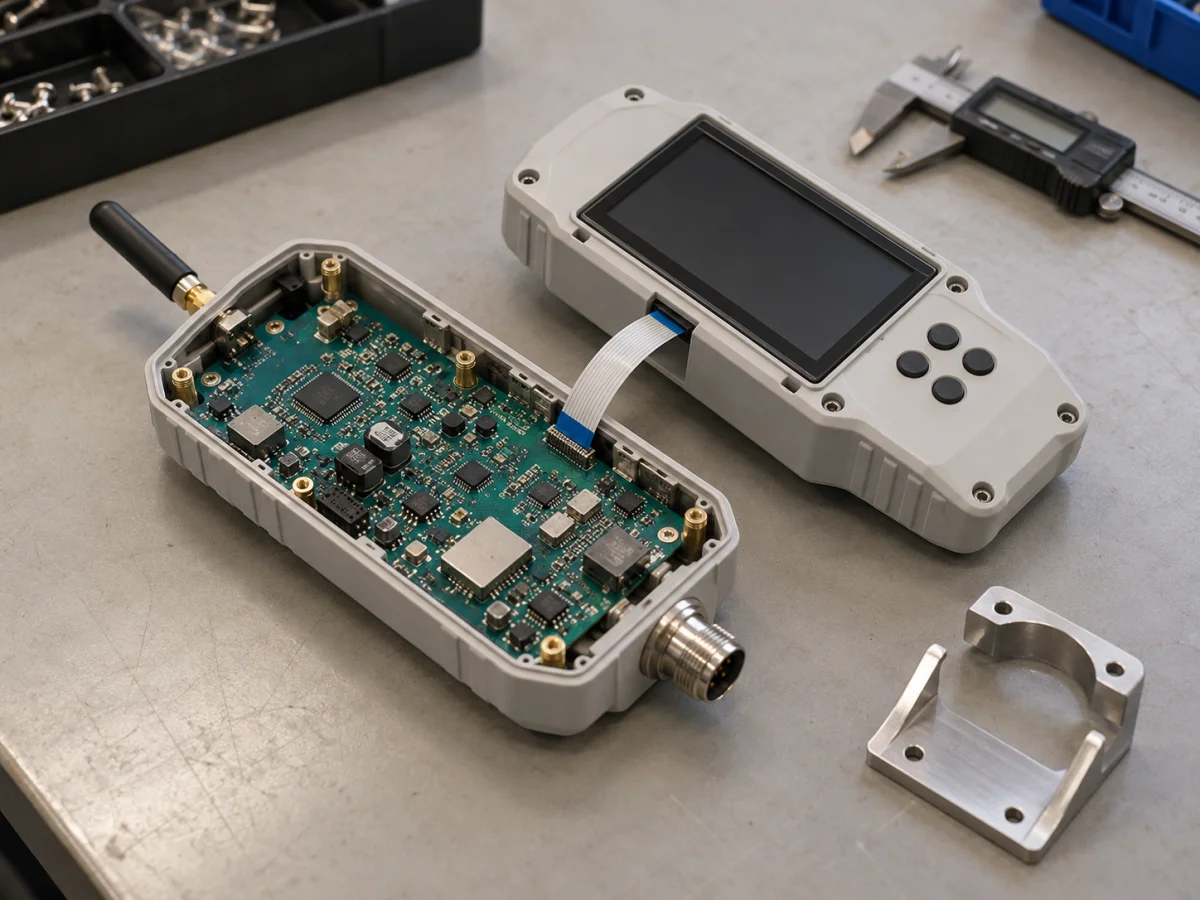
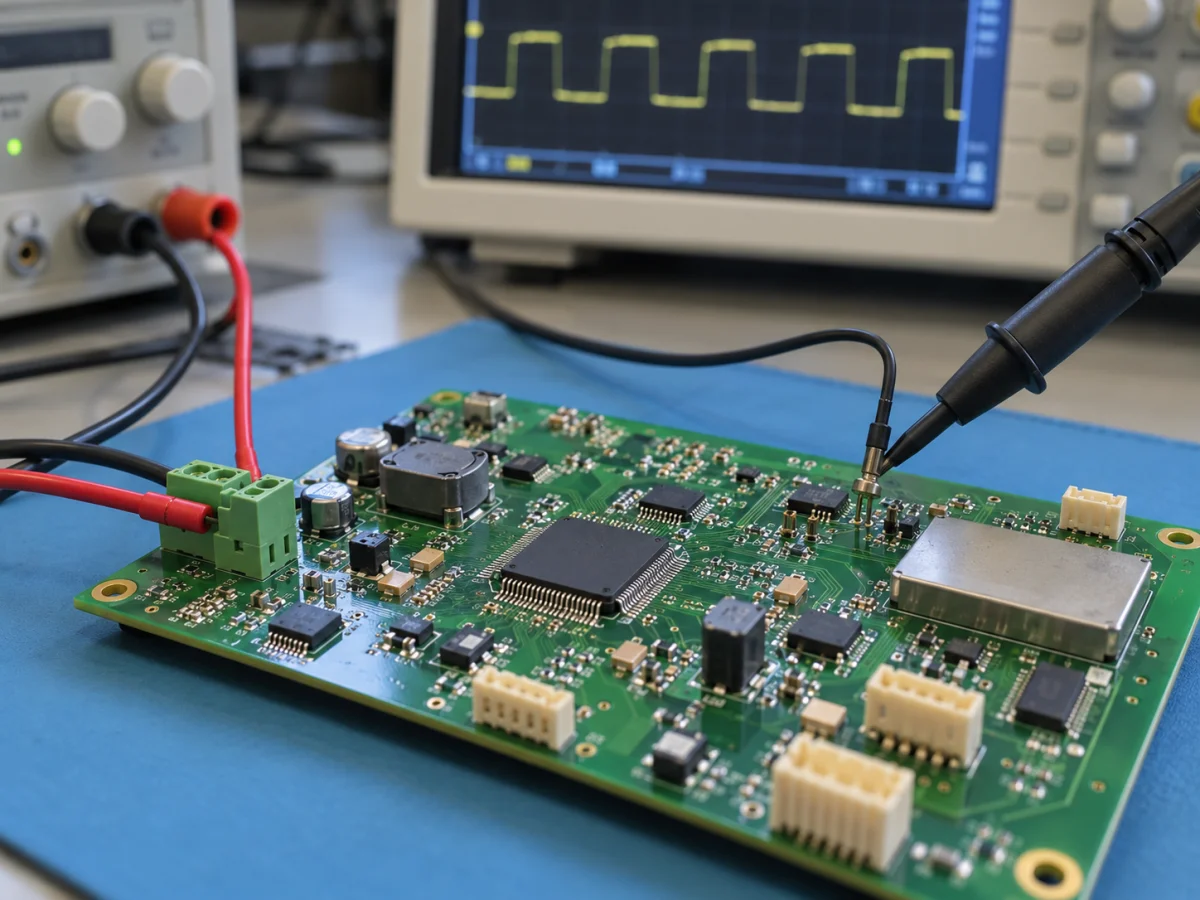
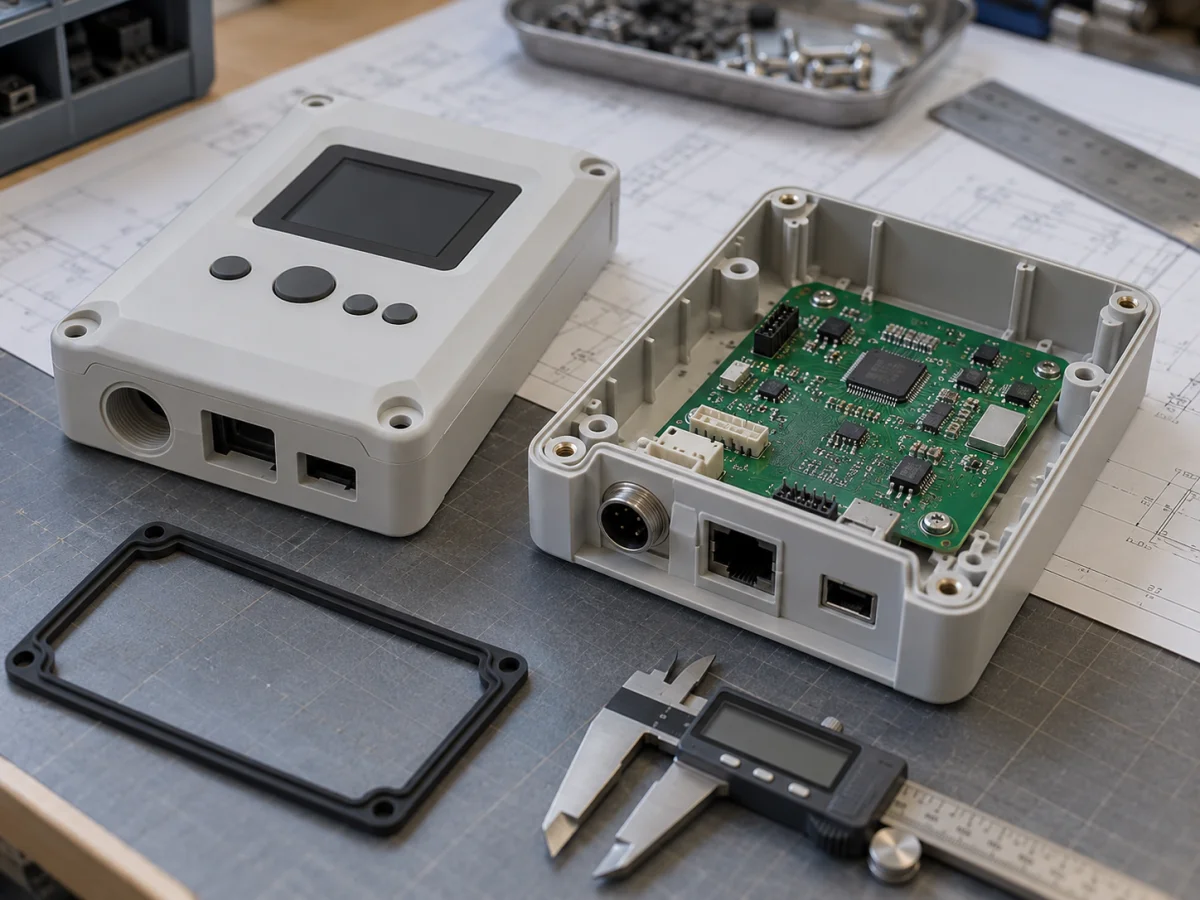
Custom device prototype with its electronic board, display connection and mechanical enclosure evaluated together
Representative application image.
ScopeElectronics + software + mechanics
ApproachOne requirement, common architecture
OutputVerified product infrastructure

Your project, your product

Developed confidentially and delivered with source files.

We may work with a confidentiality agreement (NDA) before sharing technical details. At the end of the project, we deliver the source codes, design files and technical documents we have developed to you.

  • NDA before sharing technical information
  • Clear deliverables agreed at the outset
  • Source and technical files at the end of the project
Our confidentiality and delivery process

VOMRO engineering approach

Together we define how your dream will work.

To develop a new device, smart product or specialized machine, you don't need to have all the technical answers at the beginning. It is enough to explain what problem the product will solve, who will use it and under what conditions it will work. We translate this information into functions, measurable requirements, and technical decisions that need to be evaluated. Target cost, production quantity and maintenance expectation are also part of this definition.

At VOMRO, electronic boards, embedded software, industrial design and mechanical design are developed within a shared architecture. Board fit, antenna positioning, access to connections and software operation on actual hardware are addressed together. If a server connection is needed, the data flow from the device to the user dashboard is also planned at the outset.

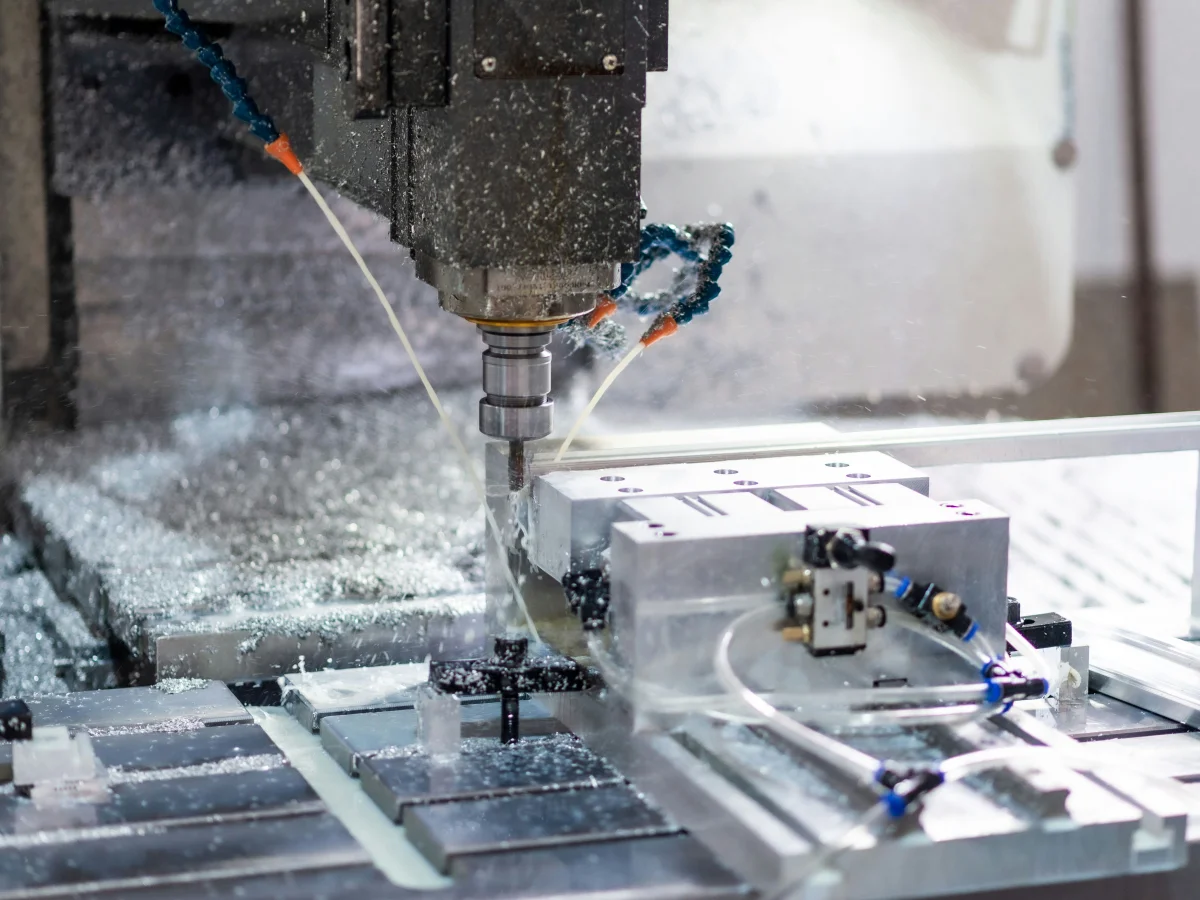
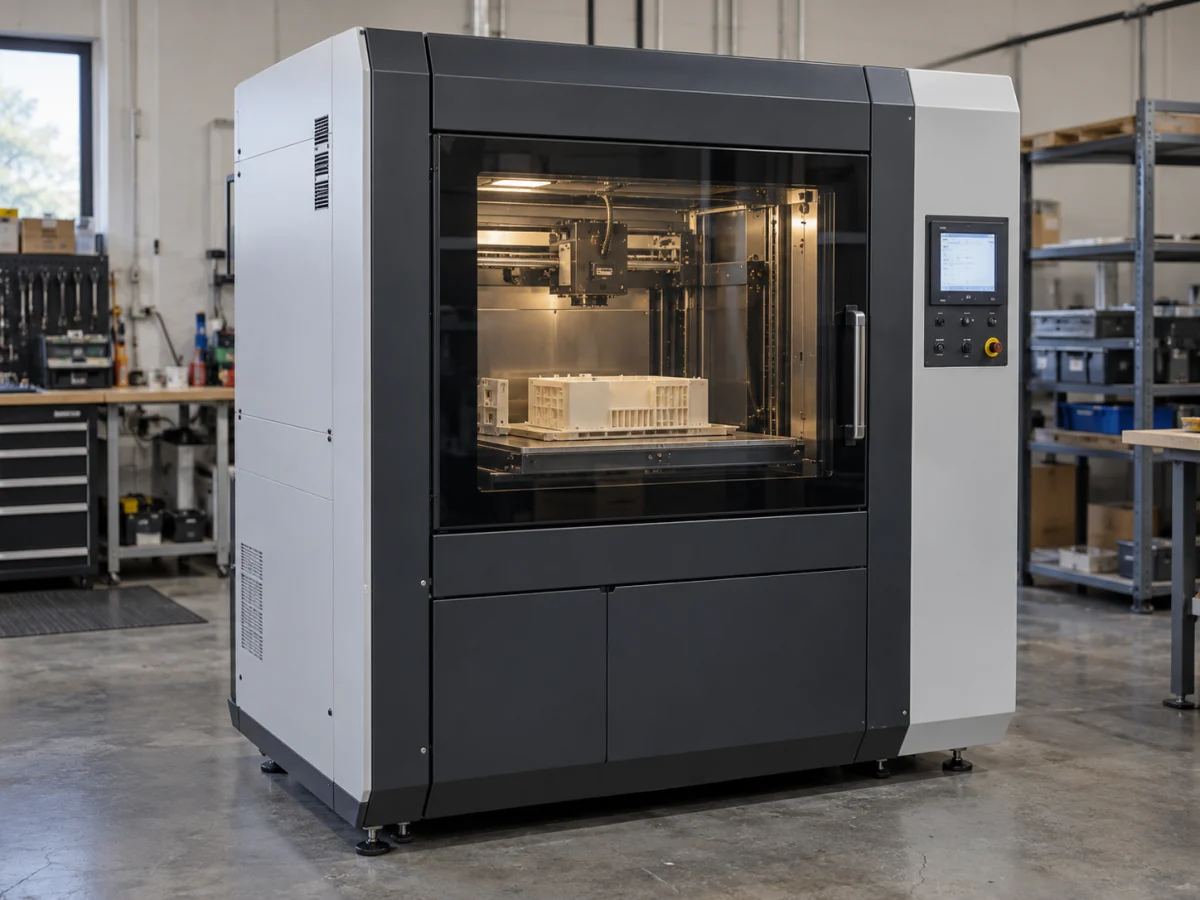
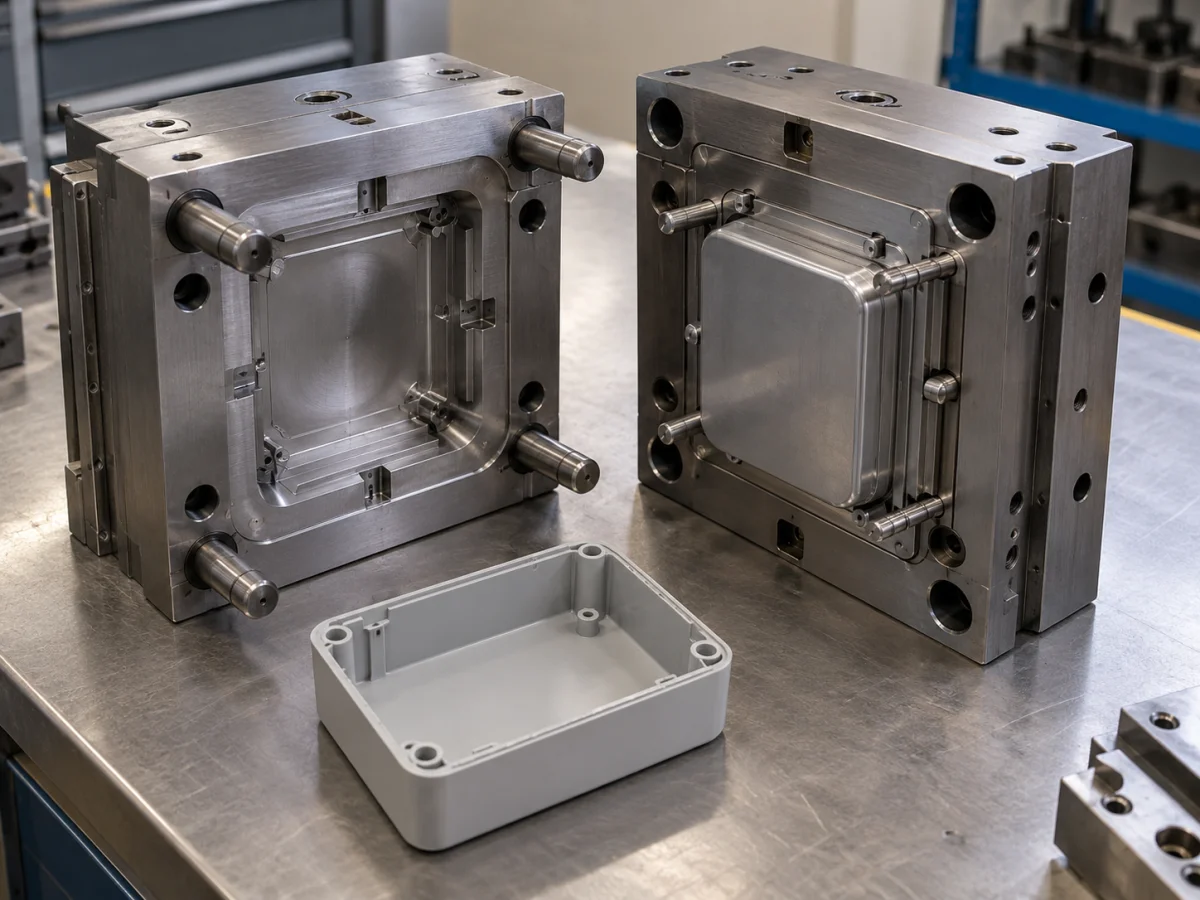
We support development in stages as your product's sales potential and market fit become clearer. Prototypes and low-volume production can use suitable FDM or high-detail SLA 3D printing, silicone mould casting and sheet-metal fabrication with press-brake forming. When demand, design and total cost justify it, we assess the transition to tooling investment and series production together.

From idea to tested product

We develop all parts of your project together.

We bring together electronics, software and mechanics with the same technical plan. We carry out the design, prototyping, testing and production stages together according to your needs.

PCB manufacturing and assembly scope: Rapid PCB fabrication and electronic board assembly are offered exclusively within customer projects developed by VOMRO.

01

Requirement and architecture for electronic product design

In the first stage, usage scenarios, inputs and outputs, energy source, communication, size and environmental conditions are determined. The areas where a ready-made module is sufficient are separated from the parts that require special design. If technical uncertainty is high, a small validation rig can be installed to test critical functionality before developing the entire product.

We distinguish the functions essential to the first version from features that can wait until a later version. For example, a measuring device can be planned around validating the measurement first, then developing a display or remote connectivity. Each stage's output and acceptance criteria are defined at the outset; the scope of the next stage is assessed according to the results obtained. Procurement, assembly, servicing and later versions are also considered in the architecture decisions.

  • Needs analysis and technical requirement list
  • System blocks and interface definitions
  • Early testing of critical technical uncertainties
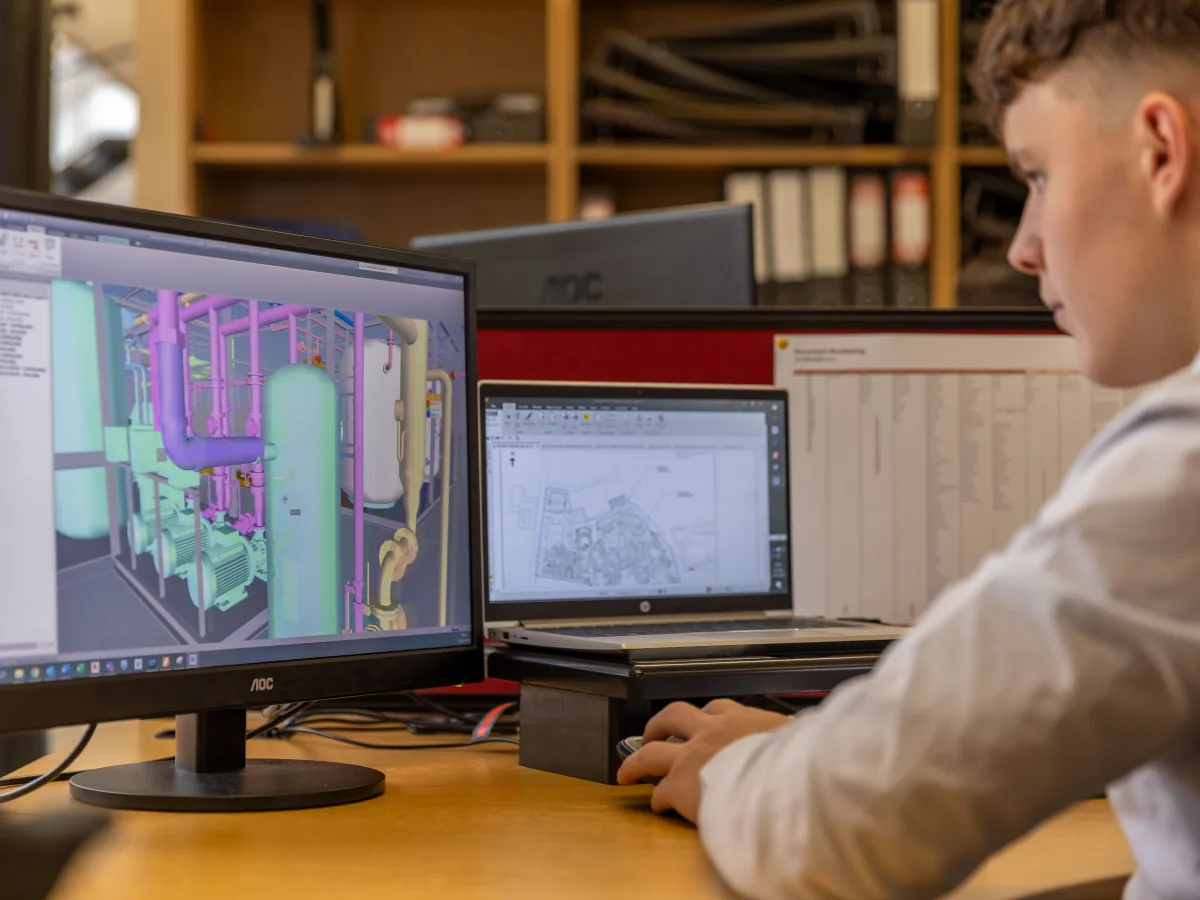
Engineer working on a CAD model and technical drawing
Examining three-dimensional models and technical drawings together in engineering design.
02

Hardware, software and mechanics are developed together

The electronic schematic and PCB layout, embedded control software, user interface and mechanical parts progress with revisions that feed into each other. Industrial design shapes the way it is used, while mechanical design solves connection, tolerance and assembly details. 3D prototypes help evaluate the design in hand and in a real working environment.

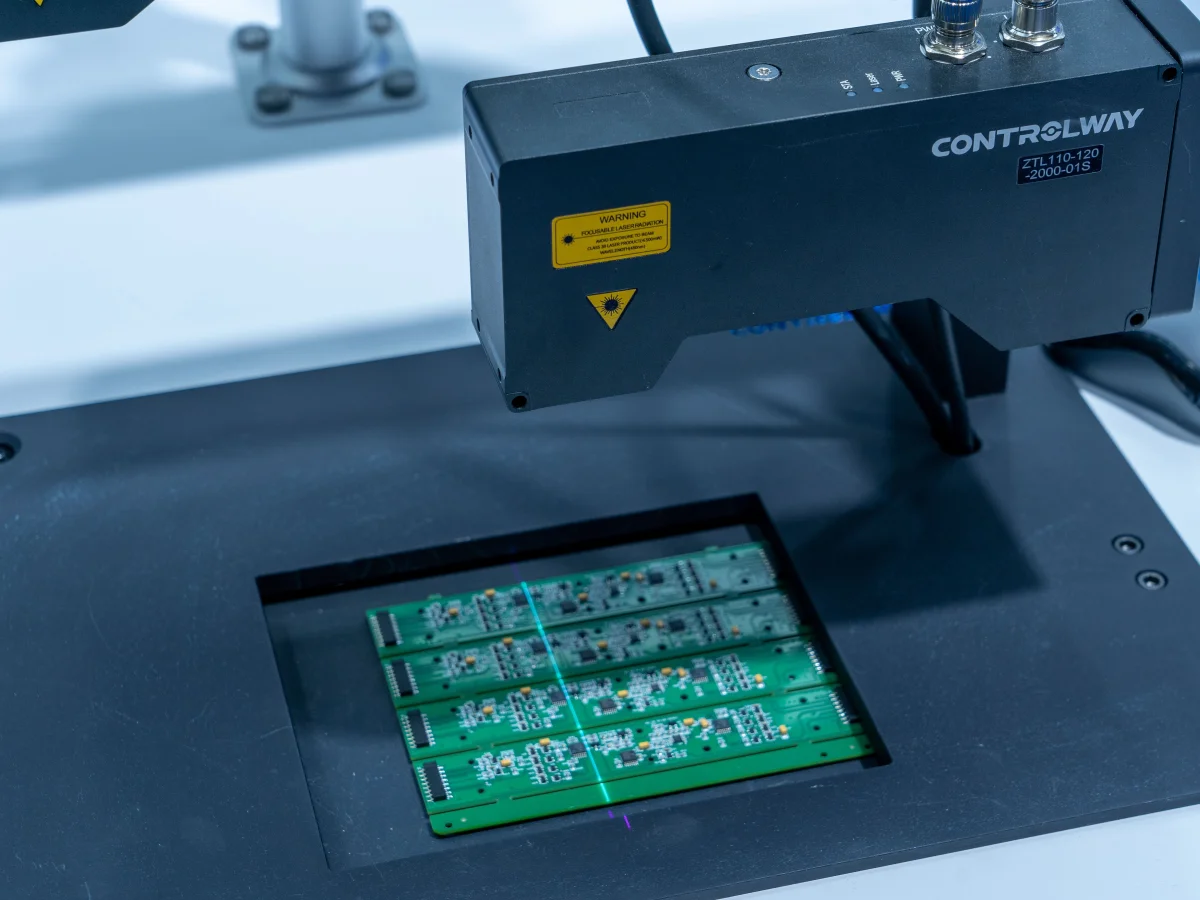
In customer projects we develop, sample PCB production and electronic component assembly can be planned as part of the initial start-up and testing process. This support is not an independent contract board production service. The goal is not just to deliver the board, but to create a prototype that shows the parts of the product work together.

  • Custom electronics and embedded systems development
  • Industrial design, mechanics and 3D prototyping
  • Device, communication and server integration
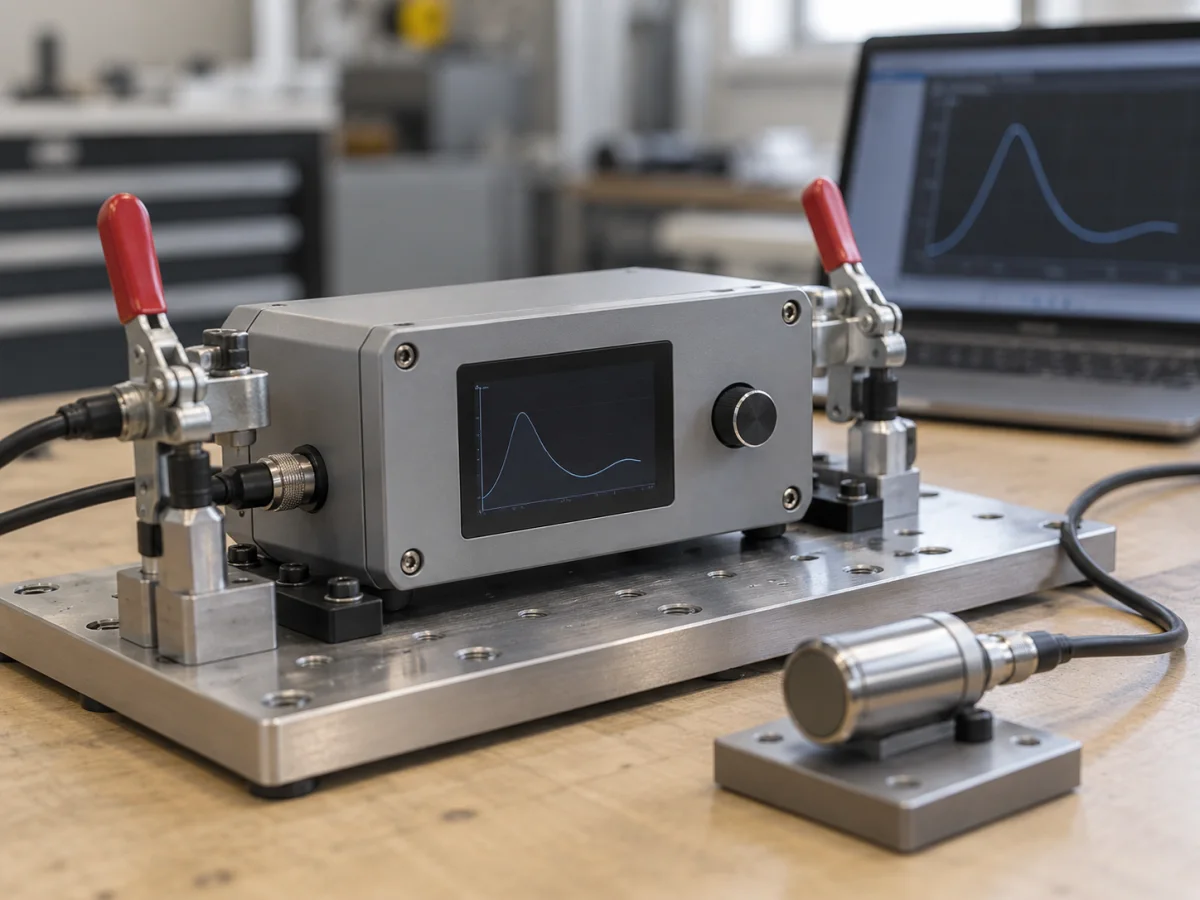
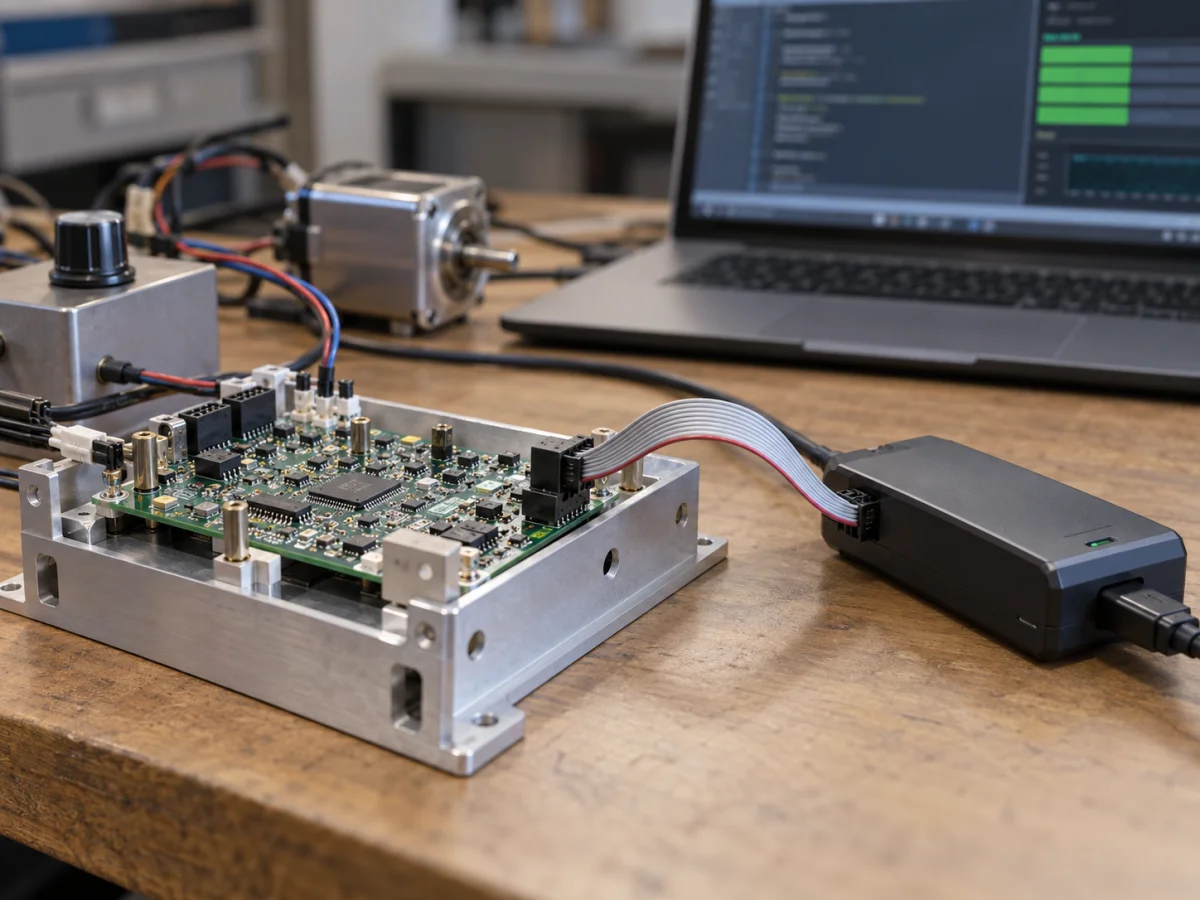
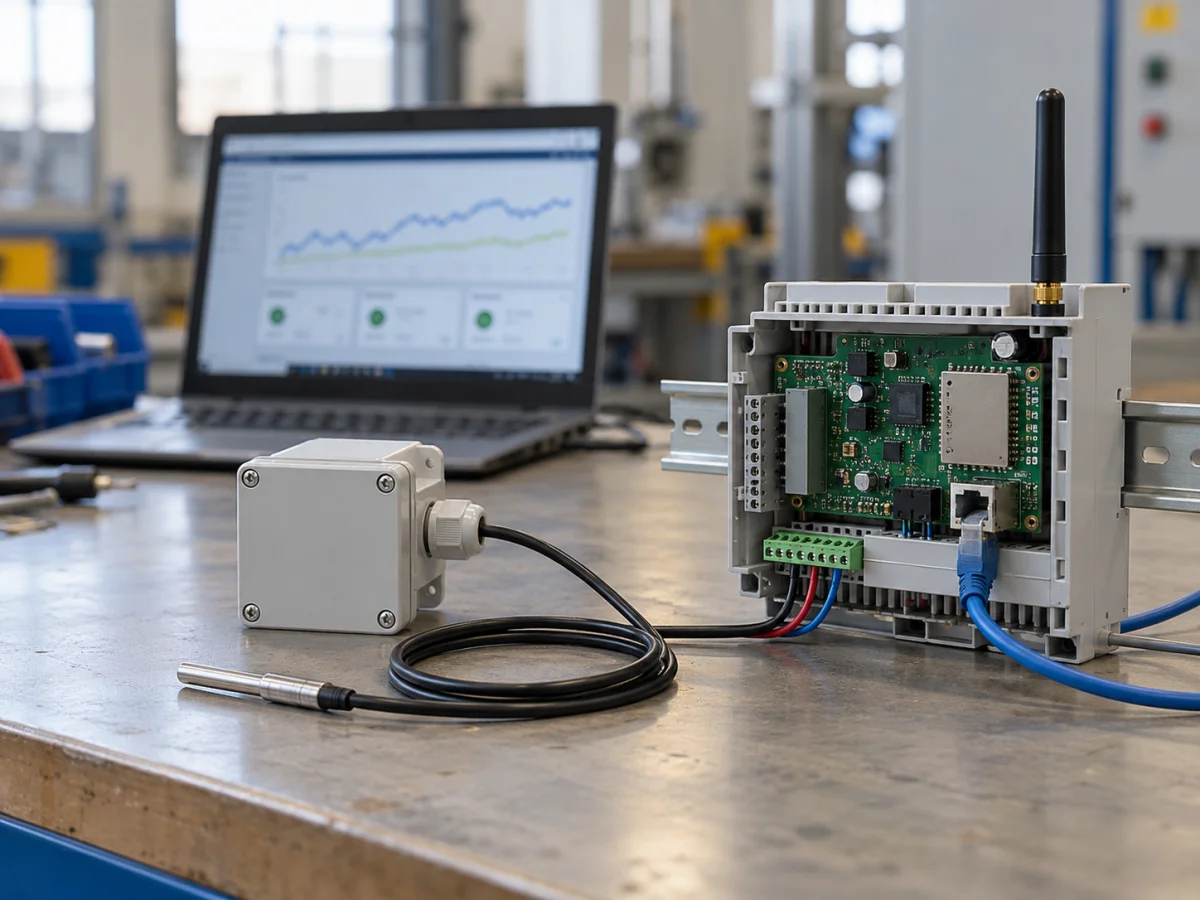
Testing of a custom device prototype with display, sensors and connections on a desktop test fixture
Representative application image.
03

From a working prototype to repeatable production

The prototype is evaluated under normal use and scenarios such as connection loss, restart, invalid inputs and load changes. Test scope follows the product's risks and intended use. Findings feed into design revisions; a working laboratory demonstration alone is insufficient.

Production files, bill of materials, mechanical drawings, software versions and test steps are arranged in line with the approved scope. If mold design or production test apparatus is required, it is planned separately. Transition to production is evaluated based on target quantity and supply conditions; Required external testing and compliance studies are clearly defined in the project plan.

  • Function and system integration tests
  • Revision, bill of materials and production documents
  • Preparing the production method and testing process
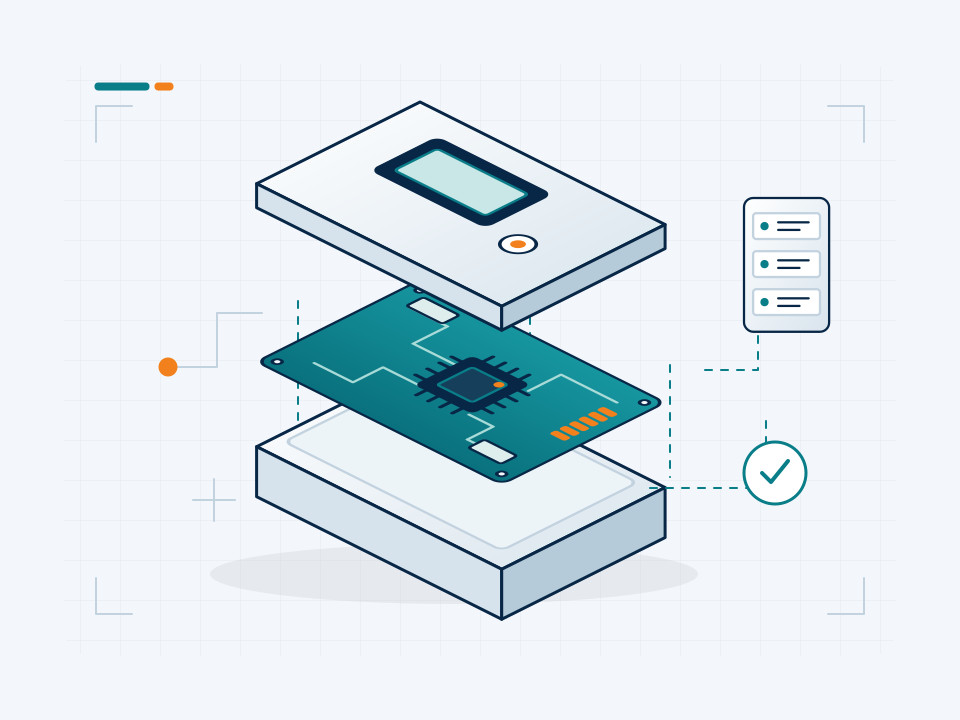
Development process progressing from product idea, electronics, software and mechanical design to testing and production
Conceptual representation of the technical process.

How it works

A clear process from start to delivery.

Not every project looks the same; however, the measurable requirement, controlled revision, and field verification steps remain unchanged.

  1. 01

    We define the requirements

    We translate the idea, use case and business objective into technical requirements.

  2. 02

    We design it together

    We develop electronics, software, mechanics and appearance in a common product architecture.

  3. 03

    We test the prototype

    We evaluate critical functions, assembly and user interaction on a real example.

  4. 04

    We prepare for production

    We organize the approved revision files with testing steps and production needs.

Frequently asked questions

Before starting the project

The technical scope, deliverables and test plan are clarified together according to the requirements of your project.

Can I start with just an idea?

Yes. We can start with the problem you want to solve, the expected functions and the usage environment. Technical scope, feasibility and prototype objectives are determined together in the initial evaluation.

Can you develop only a certain part of the project?

A limited scope covering electronics, embedded software, mechanical development or server software can be considered. Interfaces with existing components and responsibilities are defined at the outset.

Does prototype mean product ready for mass production?

Not always. A functional prototype and a production revision have different objectives. We clearly plan the remaining steps for manufacturability, testing, procurement and, where needed, conformity verification.

Can we work with NDA before sharing technical details?

Yes. We can complete the NDA arrangements together before you share your project's technical details.

Do you deliver source codes and technical files at the end of the project?

Yes. We deliver the source codes, design files and technical documents we developed within the scope of the project to you at the end of the project. The delivery list and file formats are clarified at the beginning.

I already have a prototype; can we continue development from where we left off?

A working prototype does not necessarily mean the design files and software are up to date. We review the schematic, PCB and mechanical files, source code, component list and known issues together. We distinguish the parts that can be reused from the work that requires redesign; this assessment determines the scope of further development.

How should I plan a target date for product development?

An initial functional demonstration, a prototype suitable for field trials and a production-ready revision are different delivery milestones. Specify both the stage you need and your target date. Component procurement, prototype preparation, design approvals, testing and possible revisions are considered separately in the schedule; any external testing or mould requirements are also included in the plan.

Let's start with your idea

Let's turn your product idea into a scope for the first prototype.

Describe the problem to solve, the core functions you want in the first version, the operating environment, target quantity and any existing prototype. Together, we can determine which stage the product development quote should start from.