Design that makes the function visible

Industrial design for electronic products

Together we design the look, use and chassis layout of your handset, control unit or connected product. We develop industrial product design compatible with the screen, board, battery, connections and production method. We clarify the scope of the physical prototype at the beginning with concept options, product model, material and surface decisions.

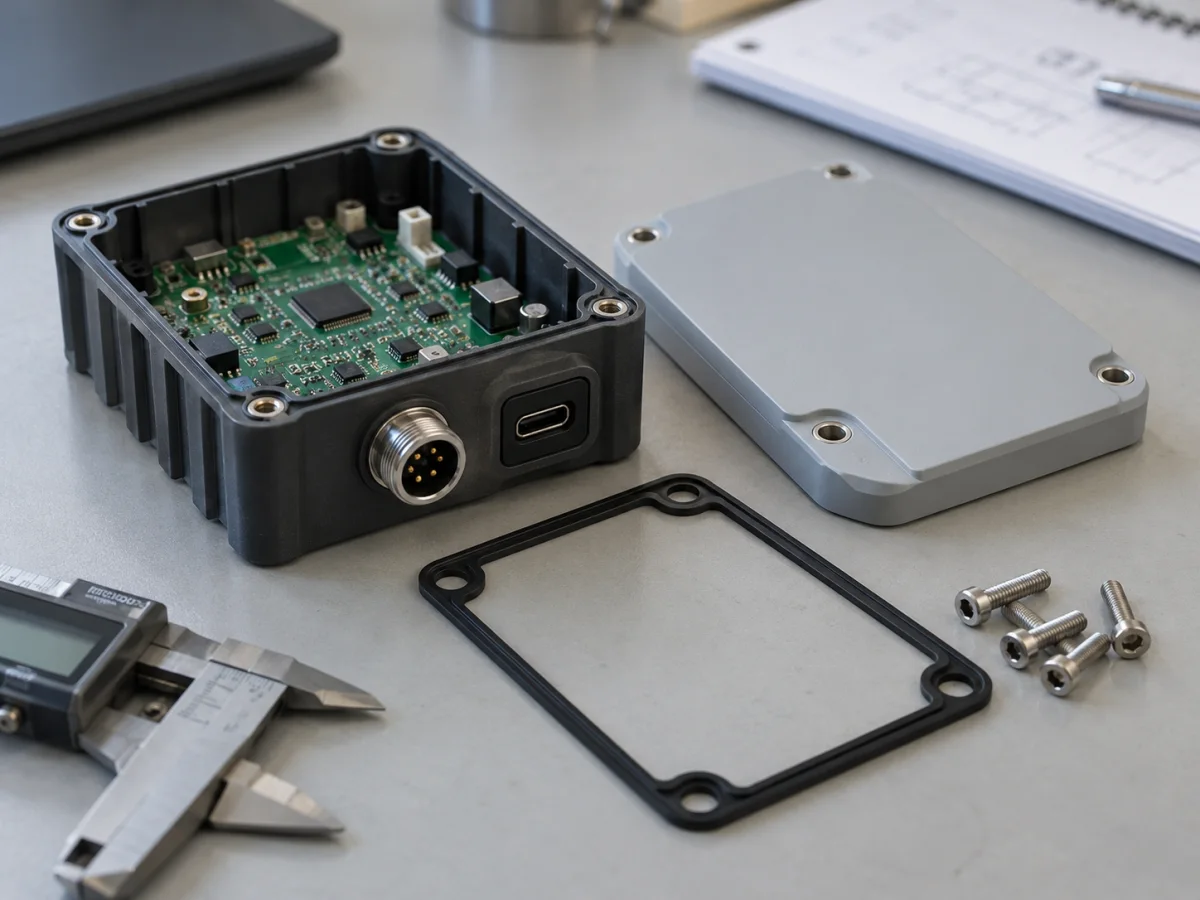
Examination of electronic circuit board, screen, connection openings and mounting compatibility in the industrial product body
Representative application image.
FocusUser + product function
IntegrityCompatibility with electronics and mechanics
VerificationModel and physical prototype

Your project, your product

Developed confidentially and delivered with source files.

We may work with a confidentiality agreement (NDA) before sharing technical details. At the end of the project, we deliver the source codes, design files and technical documents we have developed to you.

  • NDA before sharing technical information
  • Clear deliverables agreed at the outset
  • Source and technical files at the end of the project
Our confidentiality and delivery process

VOMRO engineering approach

Good design also figures out how to use the product.

Industrial design goes beyond the shape of an outer enclosure. It also addresses how users hold, carry and place the product, read its display and make connections correctly. At VOMRO, we assess these interactions alongside technical requirements and base decisions about form and function on usage scenarios.

The needs of a handheld device and the control unit on the machine are different. Details such as use with gloves, cable exit direction, display angle, cleaning and service access affect the shape of the product. Rather than treating the design solely as a presentation visual, developing it with electronic layout, mechanical connection and target production method makes subsequent revisions more manageable.

01

Use case and concept for product design

At the beginning, the target user, usage environment, basic functions and brand language are discussed. It is clarified whether the product will be used on a desktop, in the hand, in the field or as part of a machine. Size limits, loads to be carried and parts that need to be visible are transferred to the design brief.

During concept development, alternative forms and layouts are assessed for ergonomics, assembly, cost and manufacturability as well as appearance. As decisions are made, the requirements each design meets remain visible, providing a shared direction for detailed development.

  • Identification of user and usage environment
  • Concept, form and layout alternatives
  • Designing the screen, buttons and connection areas
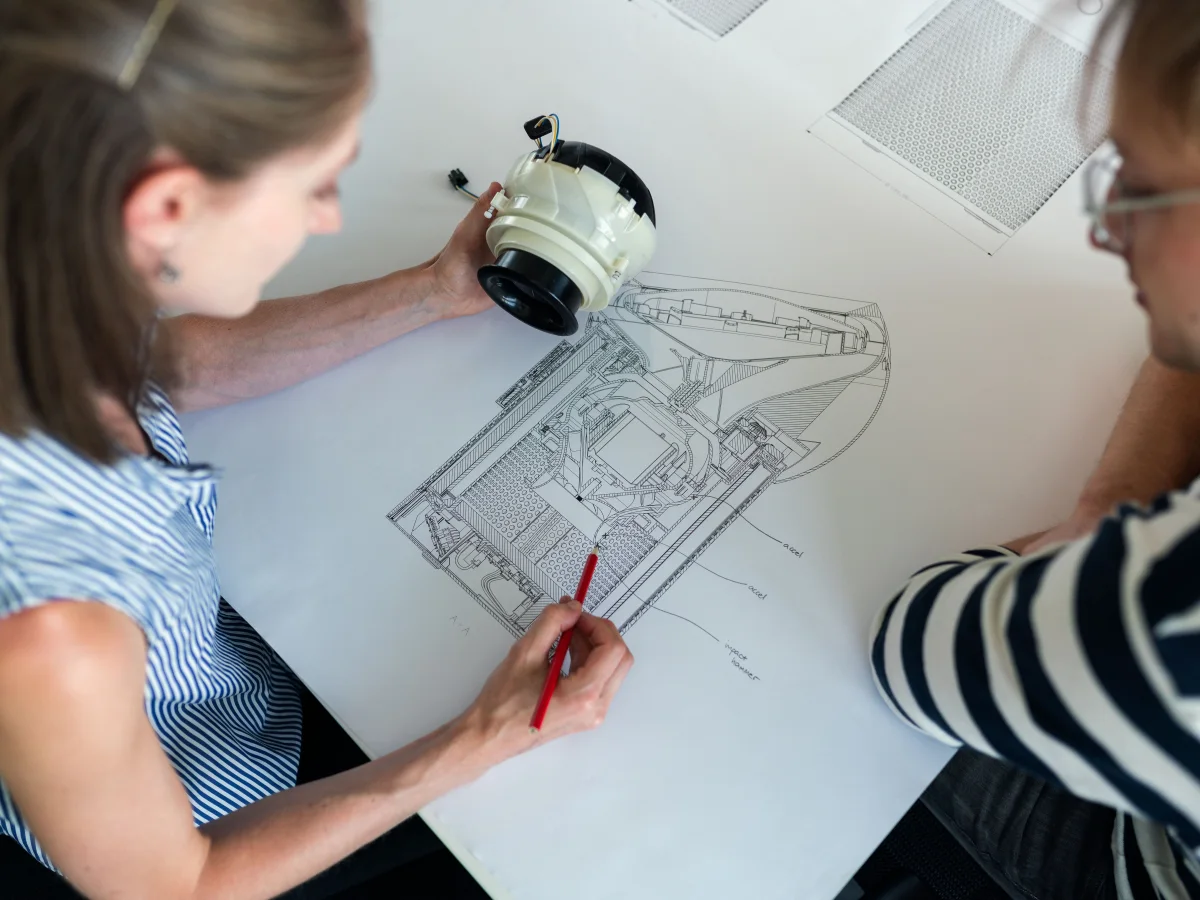
Two engineers examining plastic mechanical part on cross-section technical drawing
Evaluating the physical part together with the technical drawing and product layout.
02

Development of exterior appearance and interior layout together

The design allocates the space needed for the board, battery, display, antenna, cooling and cables. The service cover, fasteners, parting lines and assembly sequence are addressed together with the mechanical design. This makes clashes between the external form and internal technical components visible before prototyping.

Material, surface and production method are evaluated according to the number of products and expectations. The same geometry is not always suitable for 3D printing, sheet metal processing or plastic injection. During the transfer of a concept to production, the necessary geometry changes are examined in a way that preserves the design intent.

  • Coordination with electronics layout
  • Material, surface and joint design decisions
  • Evaluation of installation and service access
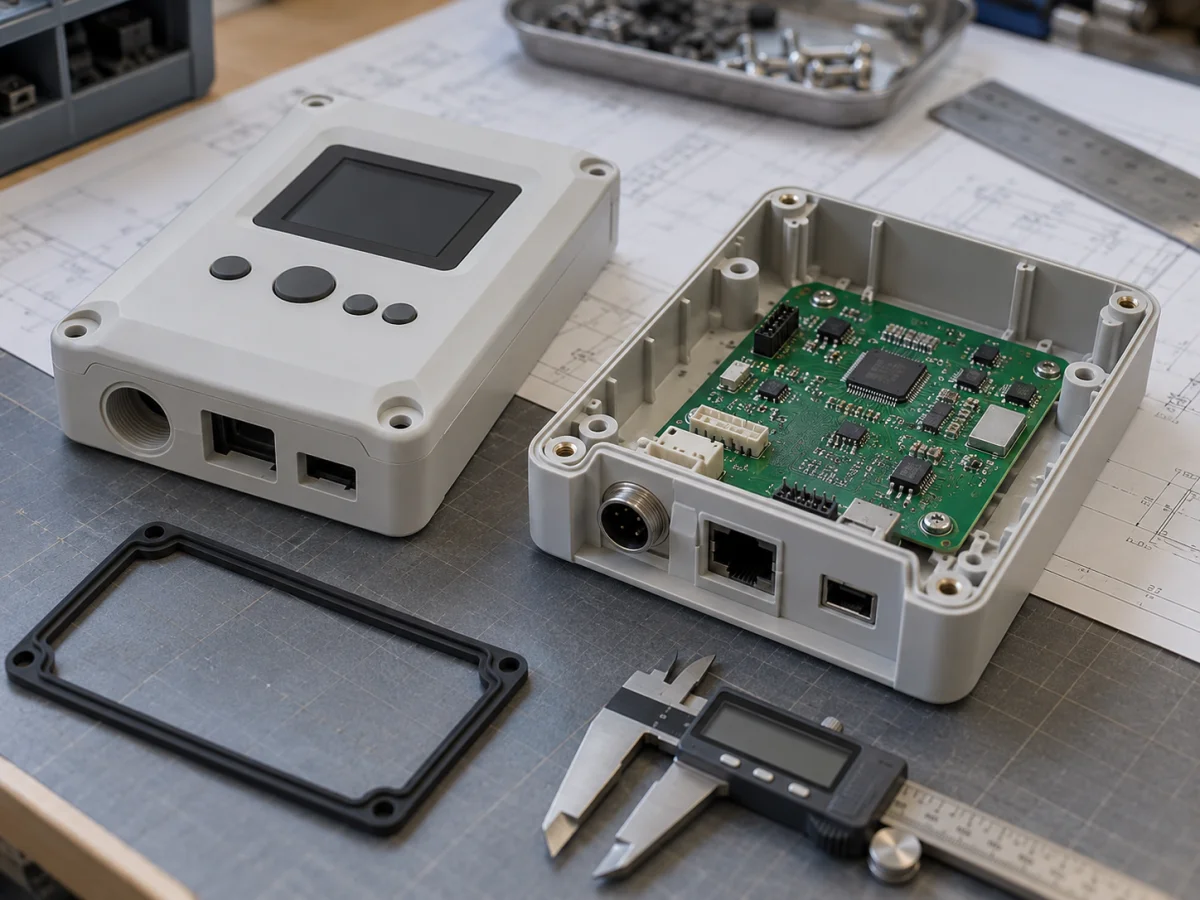
Assembly control of gasket, connection openings and cover fit on the product case
Representative application image.
03

Validate the on-screen model with a physical prototype

A 3D model shows dimensions but cannot fully convey grip, perceived weight or access to buttons. A physical prototype allows these decisions to be evaluated through actual use. The first model may focus only on size and volume; later prototypes can combine electronics placement with a working interface.

According to the scope of delivery, three-dimensional design data, visuals, material and surface preferences, and dimensions and boundaries to be transferred to mechanical development are arranged. Production technical drawings and mold design are separate engineering steps. The maturity at which the design will be delivered is specified at the beginning; The visual concept and the production file are not presented as the same output.

  • Assessing volume, grip and use
  • Revision via 3D model and prototype
  • Design decisions and comprehensive transfer files
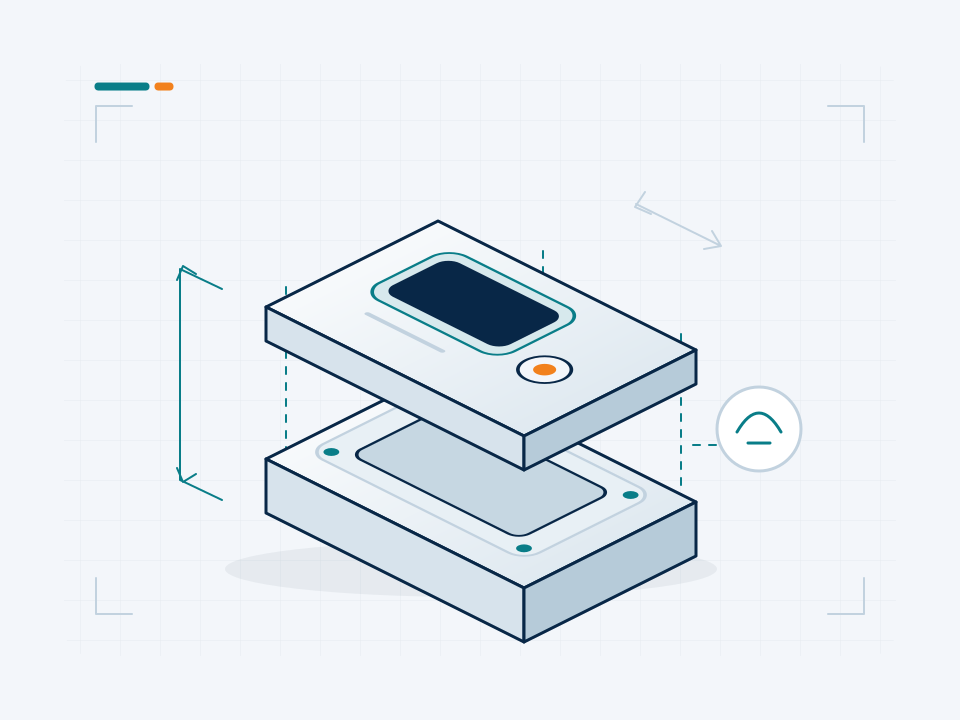
Design visual describing the concept, ergonomics, external body and prototype stages of an electronic product
Conceptual representation of the technical process.

How it works

A clear process from start to delivery.

Not every project looks the same; however, the measurable requirement, controlled revision, and field verification steps remain unchanged.

  1. 01

    We understand the usage

    We define the user, the environment, the product function, and the design boundaries.

  2. 02

    We develop concepts

    We compare form and layout options with technical requirements.

  3. 03

    We work out the details

    We make the selected direction compatible with electronic and mechanical equipment.

  4. 04

    We evaluate with a prototype

    We transform size, access and usage findings into design revision.

Frequently asked questions

Before starting the project

The technical scope, deliverables and test plan are clarified together according to the requirements of your project.

Can a product case be designed to fit my existing electronic circuit board?

The outer enclosure design can be developed after reviewing the board's 3D data or dimensions, connector positions and operating conditions. Thermal requirements and service access are also assessed.

What is the difference between industrial design and mechanical design?

Industrial design focuses on the form, user interaction and appearance of the product. Mechanical design solves part geometry, connection, tolerance and manufacturing details. These two studies proceed together in product development.

Can I see a physical example of the design?

A 3D prototype can be prepared depending on the scope of the project. It is determined in advance whether the prototype will serve volume, ergonomics, assembly or function verification.

Do you deliver source codes and technical files at the end of the project?

Yes. We deliver the source codes, design files and technical documents we developed within the scope of the project to you at the end of the project. The delivery list and file formats are clarified at the beginning.

Let's start with your idea

Let's talk about the product you dream of and the need you want to solve.