
Board redesign · Product continuity

Circuit board redesign: how can you update your existing product?

A processor on your product's circuit board may be unavailable, its connections may no longer meet requirements, or design files may be missing. Developing a new board can address some needs without replacing the entire machine or device. However, the same approach does not suit every older board. Functions, available sources, mechanical interfaces and software must be assessed together. This guide explains when board modernisation makes sense, what to prepare for quotation and how to accept the new version within the existing system.

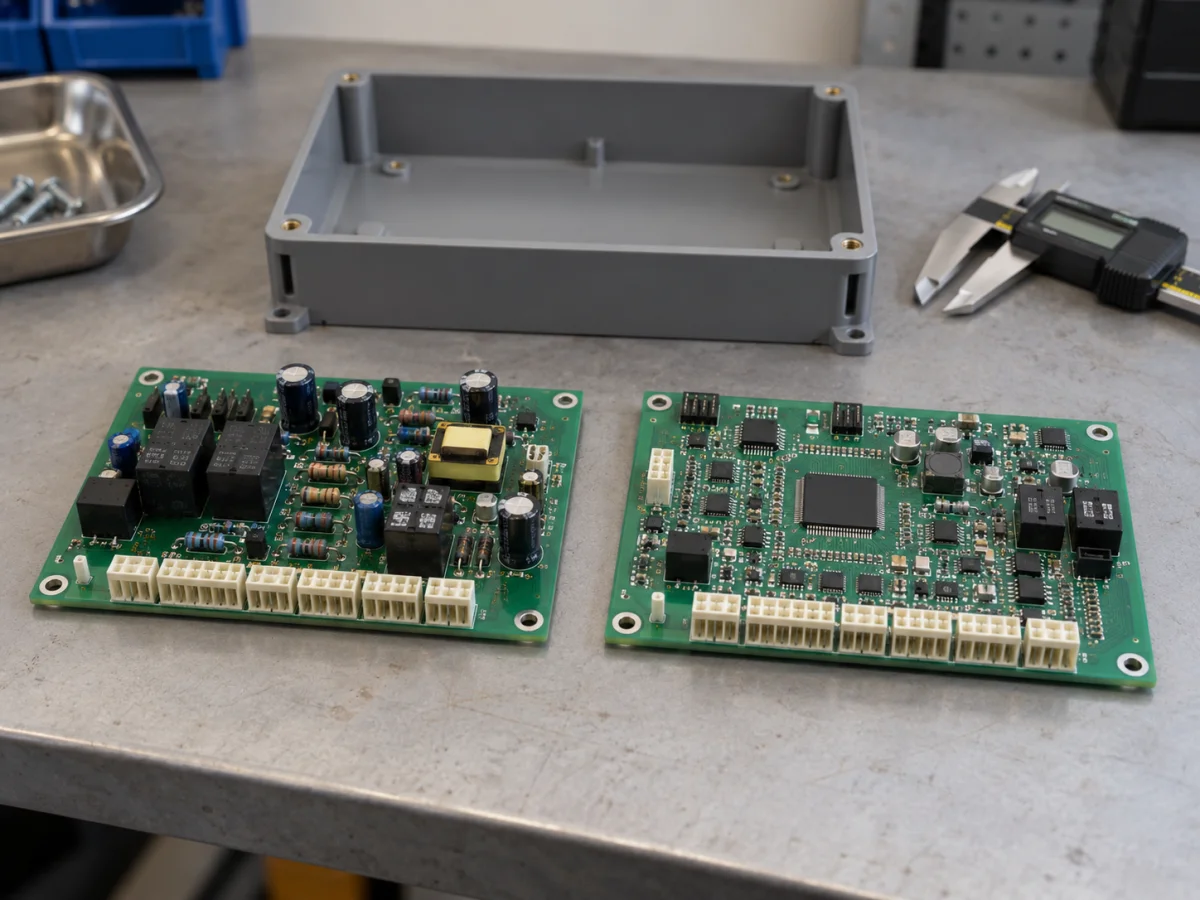
Evaluation of connector and assembly compatibility of old and redesigned PCB samples in board modernization
Representative application image.
BeginningExisting board and requirements
DecisionRevision or new design
AcceptanceValidation with the actual system

VOMRO engineering approach

Meet new requirements while retaining the existing product's functions.

Reducing board size, replacing components and adding a display or communication interface create different development scopes. The first step is identifying connections and behaviours that must remain unchanged. Years of successful operation provide useful initial evidence, but the new board must still be tested in the same system. A newer component is not necessarily compatible in every respect.

VOMRO develops custom electronics using information and designs the customer has the right to use and share. Projects can extend from reviewing existing sources to new electronics, embedded software, prototypes and validation. Confidential technical information can be handled under an NDA, and developed sources are delivered at completion. PCB fabrication and assembly support are provided only within customer projects we develop.

01

When should board redesign be considered?

A component used in your current product may have become difficult to source. You may also need to fit a different enclosure, reduce power consumption or add sensors and interfaces. Sometimes an earlier project arrived with incomplete documentation and repeat production depends on one person. First, identify the differences between the current state and the intended version, then determine whether a limited revision or a new board design is appropriate.

Replacing a single faulty component is different from developing a new manufacturable board version. Redesign can be assessed when production continuity or additional functionality is needed. Very low quantities, limited access to the existing product or extensive testing requirements may affect the economics. Available solutions, limited revisions and new designs are compared against expected life and quantities; development is not automatically the best option for every old board.
02

Which information should accompany the existing board?

Editable schematics, the PCB project, BOM, source code and programming instructions make the initial assessment easier. Include the board revision, device versions that use it and known problems. Photographs, cable connections, power supply information and mechanical drawings are also useful. A working sample or controlled system access may allow behaviour to be measured. If the information is confidential, we can begin with an NDA.

When sources are missing, their impact is explained from the start. Gerber files alone do not provide the schematic, software and design rationale. A physical board does not describe every function hidden within it. Required behaviour can be documented using information the customer is authorised to provide, and new engineering work can be planned for missing areas. A definitive promise to reproduce every feature is not made before uncertainties are resolved.

  • Board and device revision, and existing source files
  • Connection list, power and operating environment
  • Functions to retain and requested changes
  • Expected quantities, working sample and testing facilities
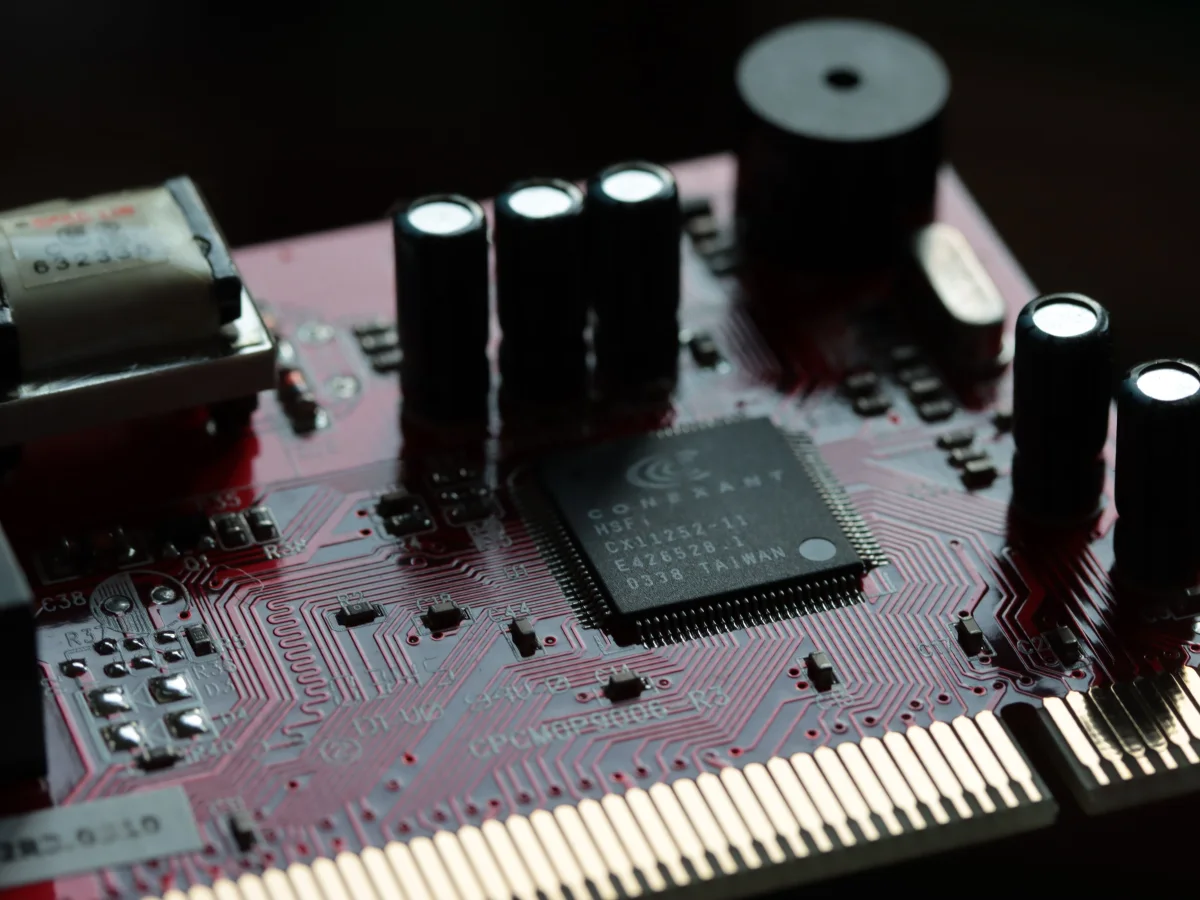
An integrated circuit, capacitors and edge connectors on an older expansion card
Close-up of components and connections on an older circuit board.
03

An unavailable component's replacement is not selected by its name alone

Manufacturer product lifecycle information is checked when selecting parts for a new design. Manufacturers such as TI identify active products, products not recommended for new designs and discontinued products. This informs procurement planning but does not guarantee long-term stock. Technical specifications and current availability are reassessed during the project.

Components that appear to have the same package can differ in pin functions, operating voltage, measurement behaviour or control method. Replacing a processor also requires consideration of software migration and peripheral compatibility. Alternatives are assessed for their effect on the schematic, PCB, BOM and testing scope. Installing a cheaper or available component alone does not modernise a board; a validated version meeting the intended functions is needed.

04

Connector compatibility, board dimensions and machine behaviour are preserved together

If the existing enclosure and cables must be retained, measure the board outline, mounting holes, connector locations and component heights. Using the same connector does not guarantee identical electrical connections; pin functions and voltages must be documented. Communication with sensors, motors, displays and other controllers is also assessed. Bench operation and operation inside the machine require different validation conditions.

For example, a new board in an existing dosing device may need to preserve user settings and communicate with the current display. Compatibility with the old control system must be defined separately when adding communication features. Acceptance criteria include behaviour during power loss, restarts and connection failures. Responsibilities and specialist assessment for any safety-related functions are defined separately; the presence of a new board does not itself prove system conformity.

05

Clarify software sources and usage rights from the outset

If existing firmware sources and build information are available, their portability is assessed. Without source code, developing new software from an authorised functional description may be a separate scope. Screen flows, record formats, device settings and communication behaviour are defined. Possessing a compiled program does not mean it can be transferred seamlessly to a new processor or edited.

Source code, editable electronics files and technical explanations developed in the new project are defined as deliverables. Documenting the build environment and programming steps makes future versions easier to plan. Library, tool and pre-existing component licences are explained separately to establish how subsequent maintenance and manufacturing can proceed.

06

Manage the transition through prototypes, pilot use and version records

The first new board is tested against predefined functions. Values and acceptance limits for comparison with the existing system must be clear. A limited pilot deployment may precede wider use, with field findings incorporated into revisions. A sample that works in the first trial and a version prepared for repeat production are different stages. Board and software revisions, test results and approvals are recorded together.

If the new board fits some existing product versions but not others, document that distinction. The manufacturing package specifies which BOM, program and settings to use. To begin with VOMRO, share the reason for the upgrade, existing board information and target volume. Together, we can define confidentiality, assessment scope, prototype acceptance and source delivery, turning a vague request to 'make the same thing' into a measurable development project.

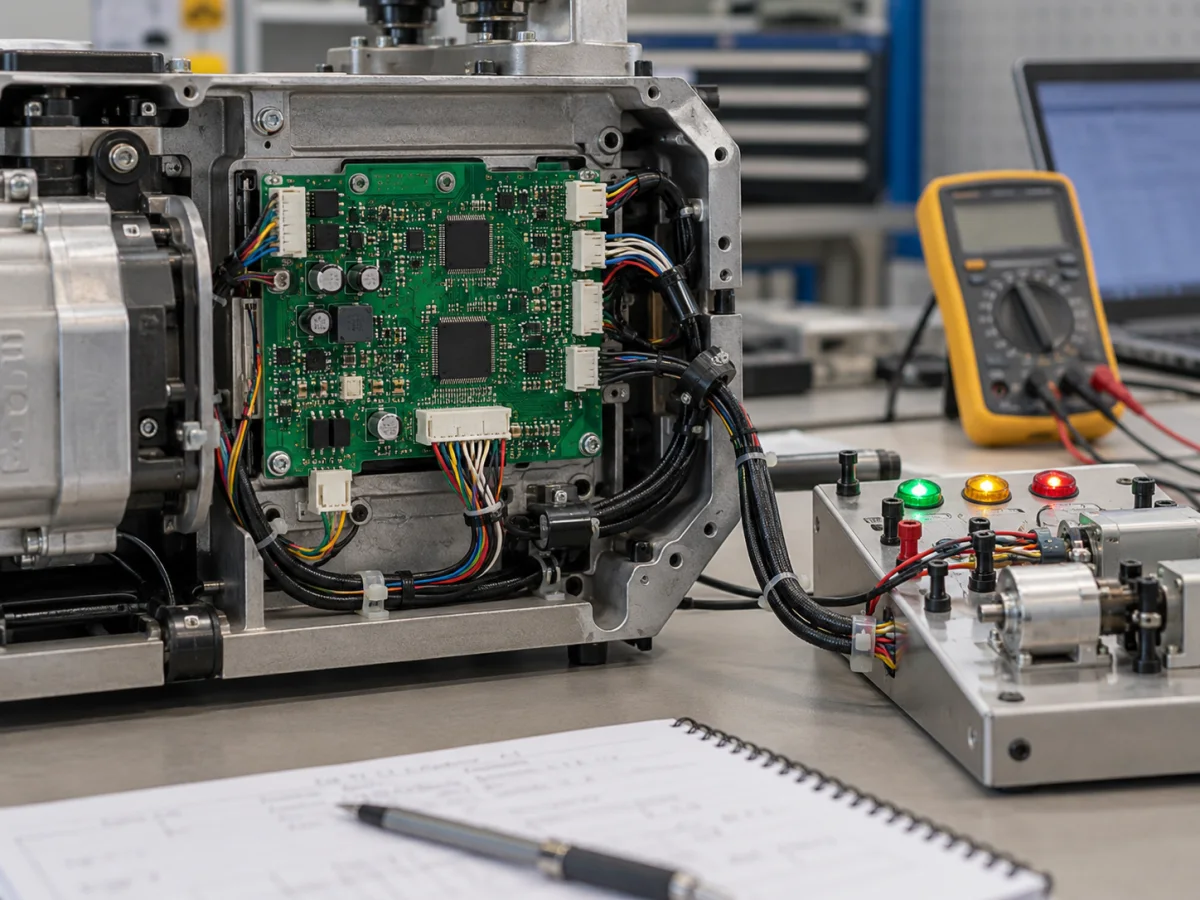
Functional testing of an updated control board with the existing wiring harness and a load simulator
Representative application image.
Which approach should be assessed for the existing board?
SituationApproach to assessInformation needed for the decision
Sources are available and only limited changes are neededRevision of the existing designImpact analysis and relevant tests
A key component is unavailableComponent replacement or a new architectureTechnical compatibility, software and supply assessment
Sources are incomplete but functionality is knownNew development from an authorised functional descriptionScope boundaries and validation capabilities
The existing machine must be retainedA new board with compatible interfaces and mechanical fitSystem testing and a transition plan

How it works

Turn decisions into a project plan.

Not every project looks the same; however, the measurable requirement, controlled revision, and field verification steps remain unchanged.

  1. 01

    Let's assess the current situation

    Review source files, board versions and the reason for the upgrade.

  2. 02

    Let's define the changes

    Document functions to retain, new requirements and acceptance conditions.

  3. 03

    Let's validate the prototype

    Test the new board with the connected equipment and operating conditions.

  4. 04

    Let's prepare the transition package

    Deliver approved sources, manufacturing data and version notes.

Frequently asked questions

Before starting the project

The technical scope, deliverables and test plan are clarified together according to the requirements of your project.

Can a discontinued processor be replaced with a newer one?

Suitability is assessed for each project. Interfaces, peripherals, power requirements and software compatibility can differ. Replacing a component may require a PCB revision or a more extensive redesign.

Can a board be updated without schematics and source code?

We first assess the available information and usage rights. New development can be planned if the device's functions can be defined from supplied information and measurements. The effects of missing sources on design, software and validation scope are explained after assessment.

Can the new board fit the old enclosure and cables?

That can be a design objective. Board dimensions, mounting, connectors and electrical connections are assessed. Compatibility is validated through functional and transition testing in the existing device, not dimensions alone.

Can new communication features be added during a board update?

Depending on requirements, options such as Wi-Fi, BLE, LoRa or cellular connectivity can be assessed. Power consumption, antennas, enclosure layout, existing software and connected systems are reviewed together to define new functions and test conditions.

Are the updated board's source files delivered at project completion?

Editable schematic and PCB projects, source code, manufacturing data and technical documents developed within scope are delivered. Confidentiality and third-party licence conditions are explained at the start.

Your project, your product

Developed confidentially and delivered with source files.

We may work with a confidentiality agreement (NDA) before sharing technical details. At the end of the project, we deliver the source codes, design files and technical documents we have developed to you.

  • NDA before sharing technical information
  • Clear deliverables agreed at the outset
  • Source and technical files at the end of the project
Our confidentiality and delivery process
Let's start with your idea

Let's talk about the product you dream of and the need you want to solve.