What can ROS 2 bring to our business?
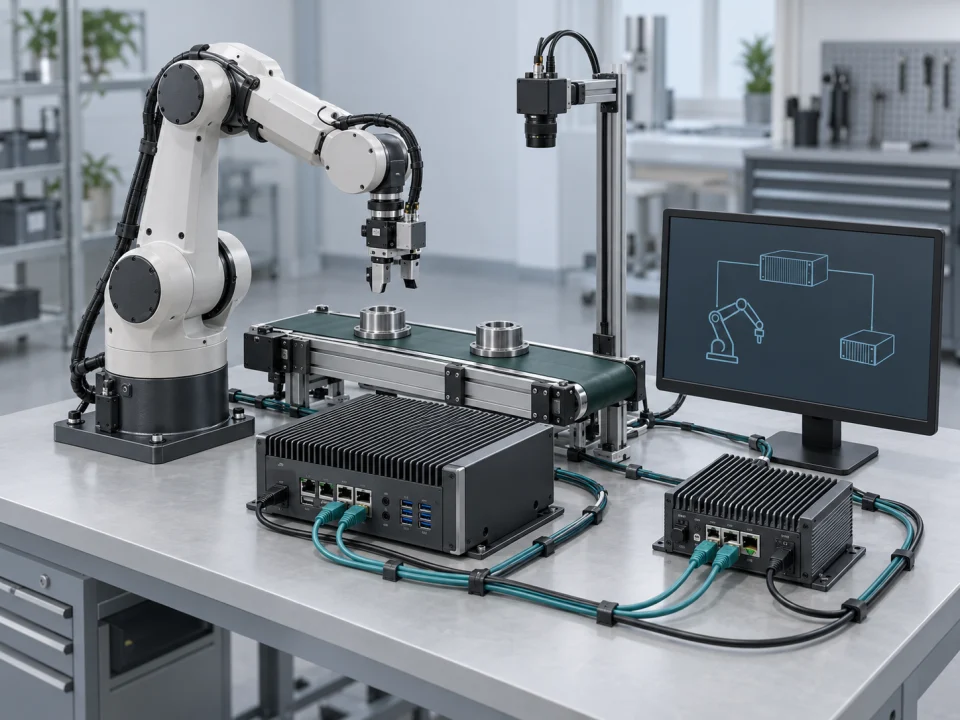
ROS 2 helps consolidate information and software tasks from different devices into a common layout. For example, the camera recognizes a part, the system matches this information with the relevant work order and the action to be taken by the robot is determined. In order for the devices to coordinate the same work, the connections between them are developed according to the project.
In a hypothetical part-sorting scenario, a camera could publish each part's identity and analysis result through a topic. The control software could request the station's current state through a short service call. A longer task, such as moving the part to another location, could use an action interface to track progress, results and cancellation. The interface choice is assessed alongside the actual application's control and safety boundaries.
A well-planned system can make it easier to monitor the status of different stations and add a new device in the future. The maintenance team can see more clearly which part is working and where the problem occurs. For this purpose, data recording, error reporting and maintenance screens should also be designed. ROS 2 is not required on every machine; If a simpler solution meets the need, we will also evaluate it.
- Sharing information and tasks between devices
- Monitoring production flow and problems
- Considering future additions from the outset