VOMROIndustrial Technology

Screen out early failures before shipment

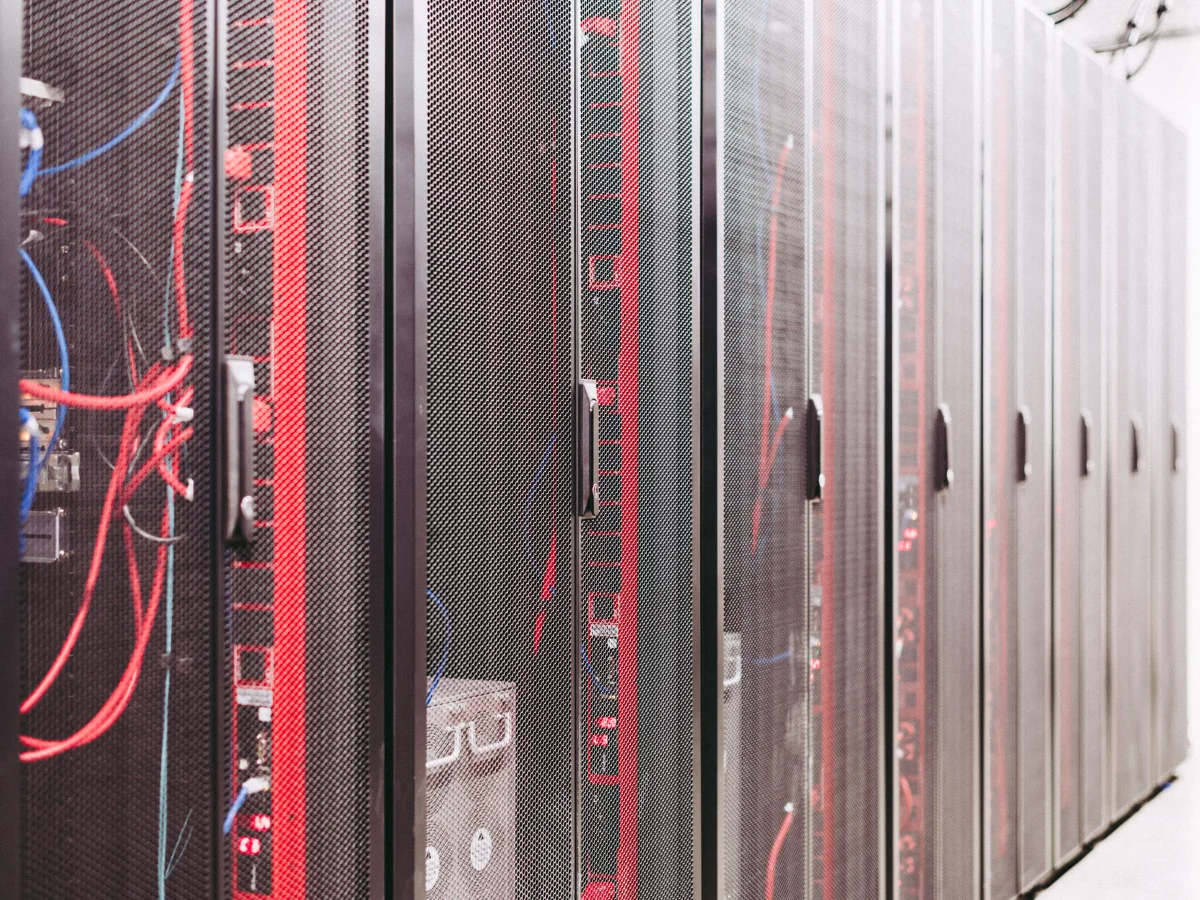
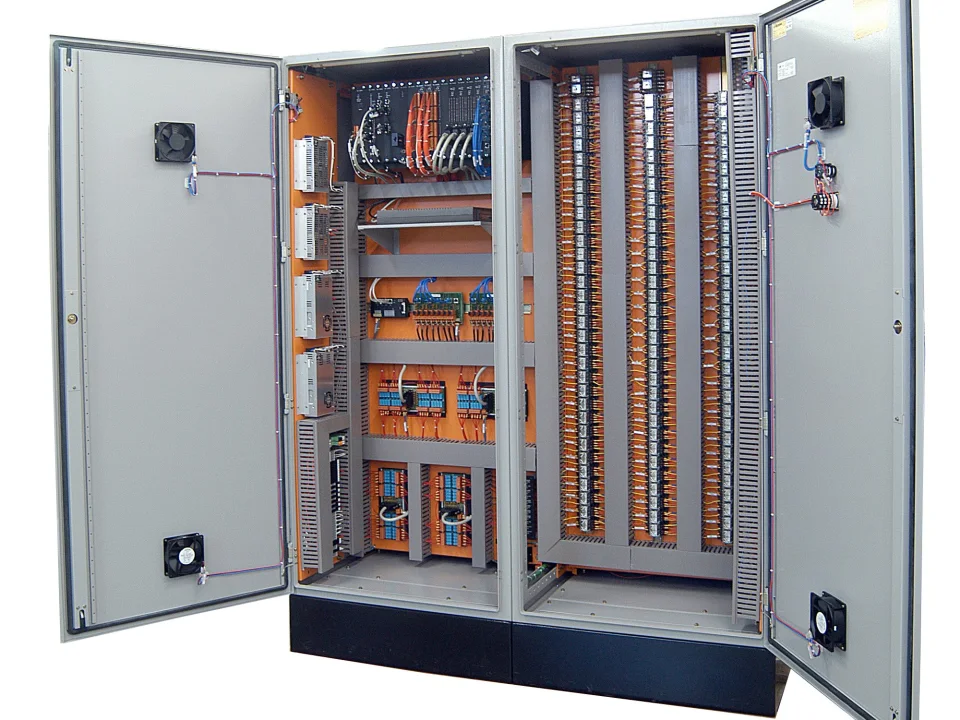
Burn-in test rack

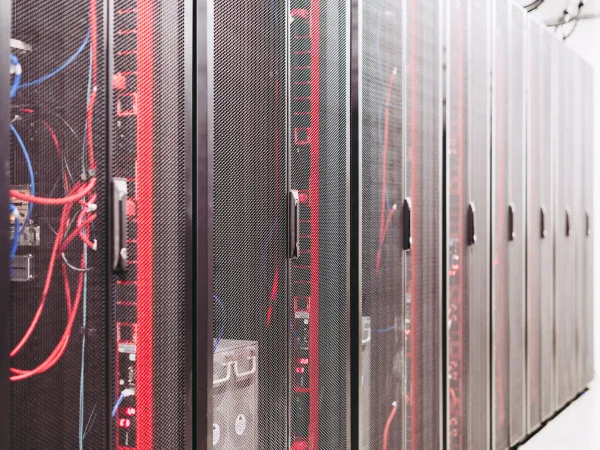
A burn-in test runs products under load, and at elevated ambient temperature if needed, for hours before shipment, catching in the factory the failures that would otherwise appear in early use. VOMRO burn-in racks supply and load each product through a separate channel, continuously monitor voltage, current and temperature, and record the failed product and the moment of failure. Rack size, channel count and load type are configured for your product.

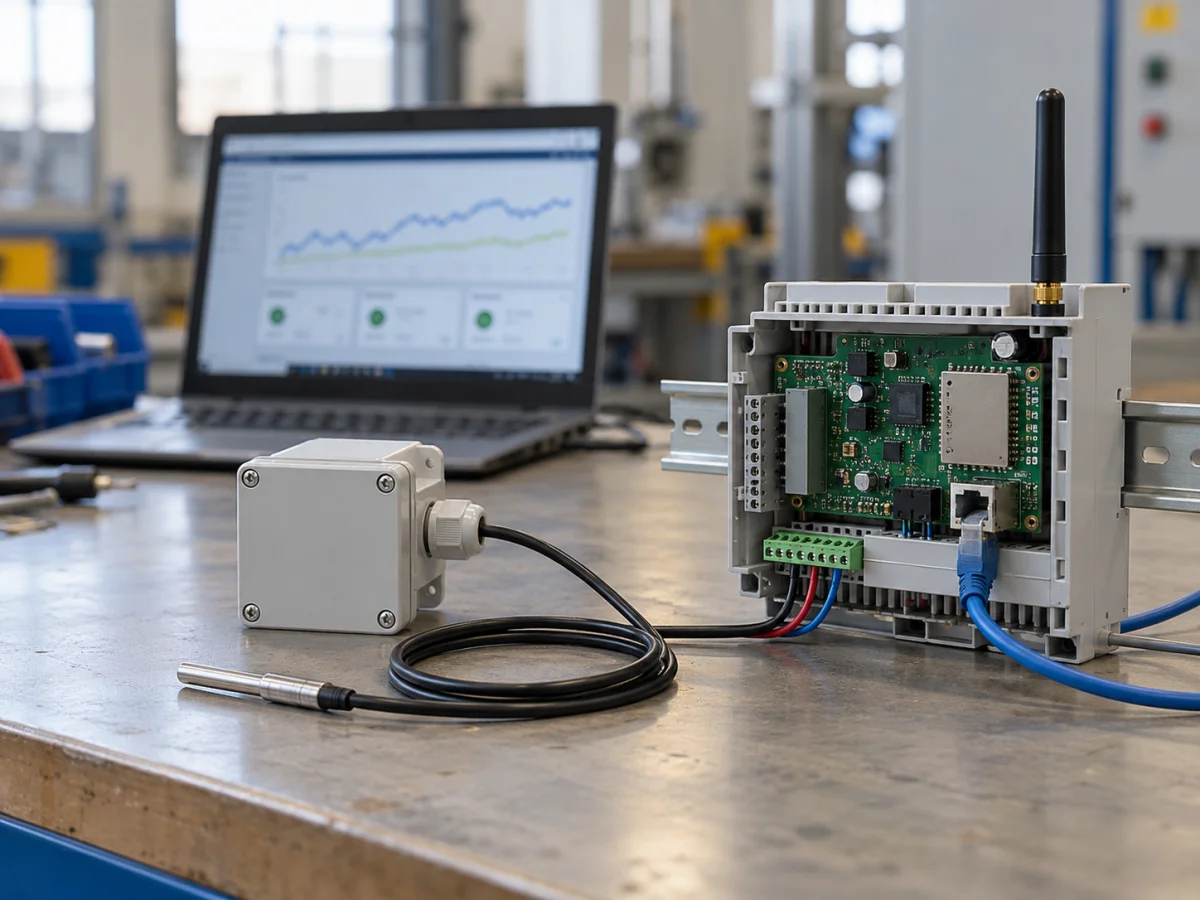
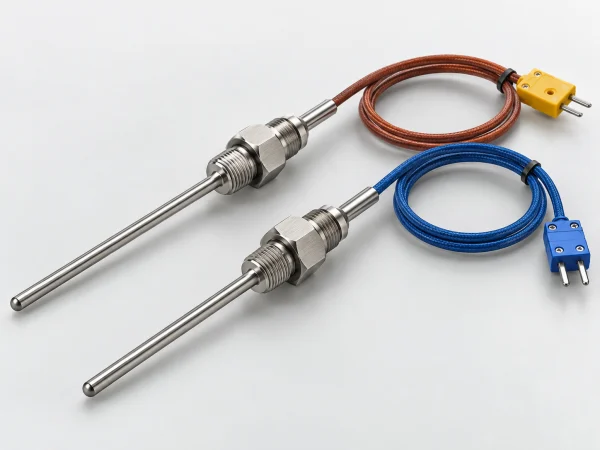
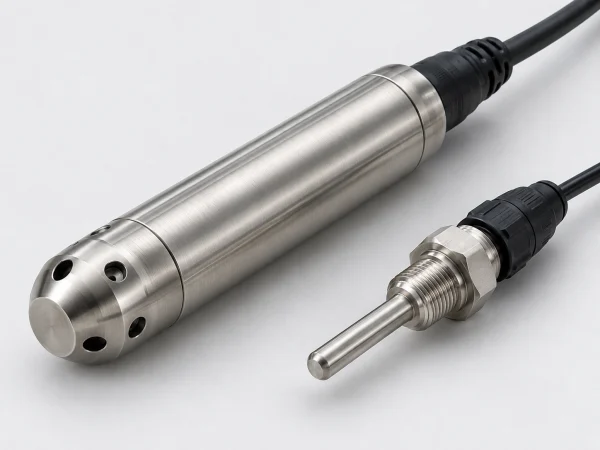
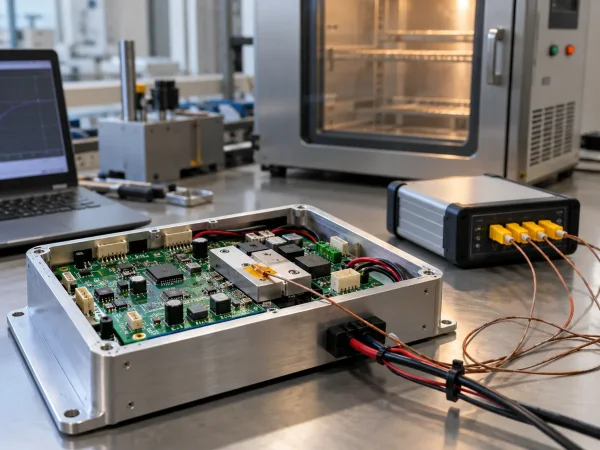
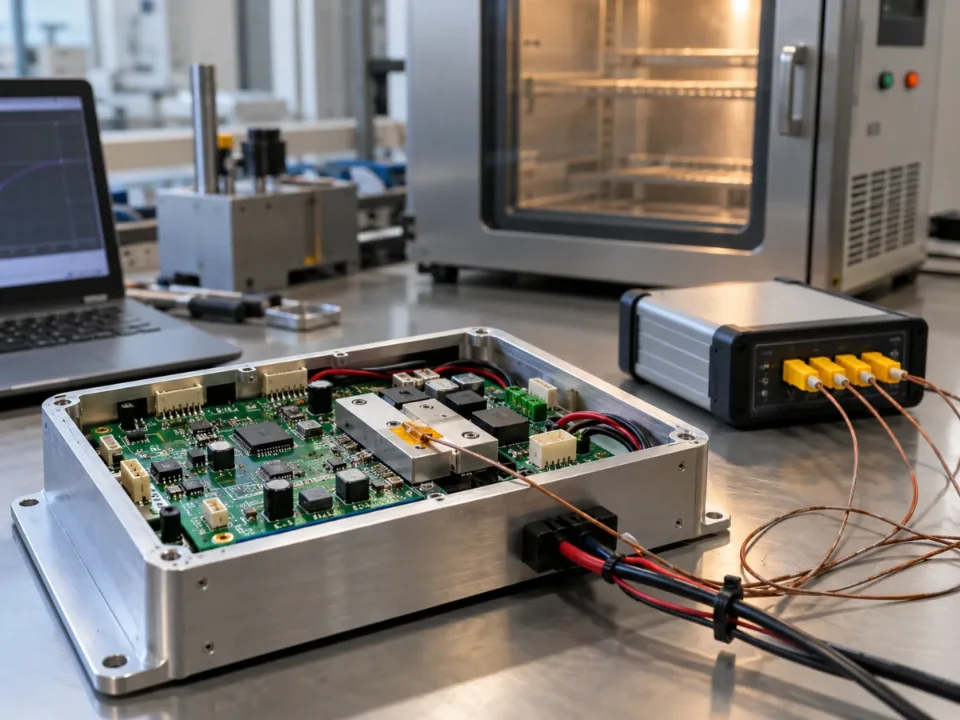
Temperature sensors attached to an electronic board in an aluminium enclosure, a multi-channel temperature logger and a thermal test chamber behind
The product runs under temperature; temperature and output values are logged throughout the test.
ApplicationLED driver, adapter, power supply, control board
TestLoad, temperature, on-off cycling
MonitoringPer-channel voltage, current, failure log

Why it matters

A significant share of failures occurs in a product's first hours of operation.

The failure rate of electronic products follows the so-called “bathtub curve” over time: failures are high in the first hours of operation because of a weak solder joint, a defective component or an assembly error; then comes a long period of use with few failures. You want these early failures to happen in the factory, not at the customer.

Burn-in testing takes the product through this early period under controlled conditions in the factory. Especially for products that are expensive to install and service in the field, such as lighting fixtures, power supplies, chargers and control boards, it is one of the most direct ways to lower the return rate.

01

What is burn-in testing and when is it needed?

Burn-in means running the product at or near its nominal load for a defined period. Duration and conditions are set according to the product type, its failure history and your customer's expectations. They can range from a few hours at room temperature to longer tests at elevated ambient temperature.

Not every product needs burn-in. It makes sense for the first production batches of a new product, when early failures are returned from the field, when a customer specification requires it or when the product is expensive to service. As production matures and failure data accumulates, the test time can be shortened or replaced by sampling.

  • First batches of a new product and after a supplier change
  • Products with early failure returns from the field
  • Products with high service and field replacement costs
  • Products whose customer specification requires burn-in
02

How are temperature and test duration determined?

Temperature is the most effective factor in accelerating early failures; that is why burn-in is usually done in a heated chamber or by letting the rack heat itself in an enclosed volume. However, raising temperature and duration also consumes part of the product's life. The aim is to screen out weak products without wearing out good ones.

To find the right conditions, you usually start with a first batch: the hour at which failures occur is recorded and the duration is optimized based on this data. Because the rack software logs the time of each failure, this analysis comes naturally. The temperature limits allowed by your product's components and the manufacturers' recommendations are always taken into account.

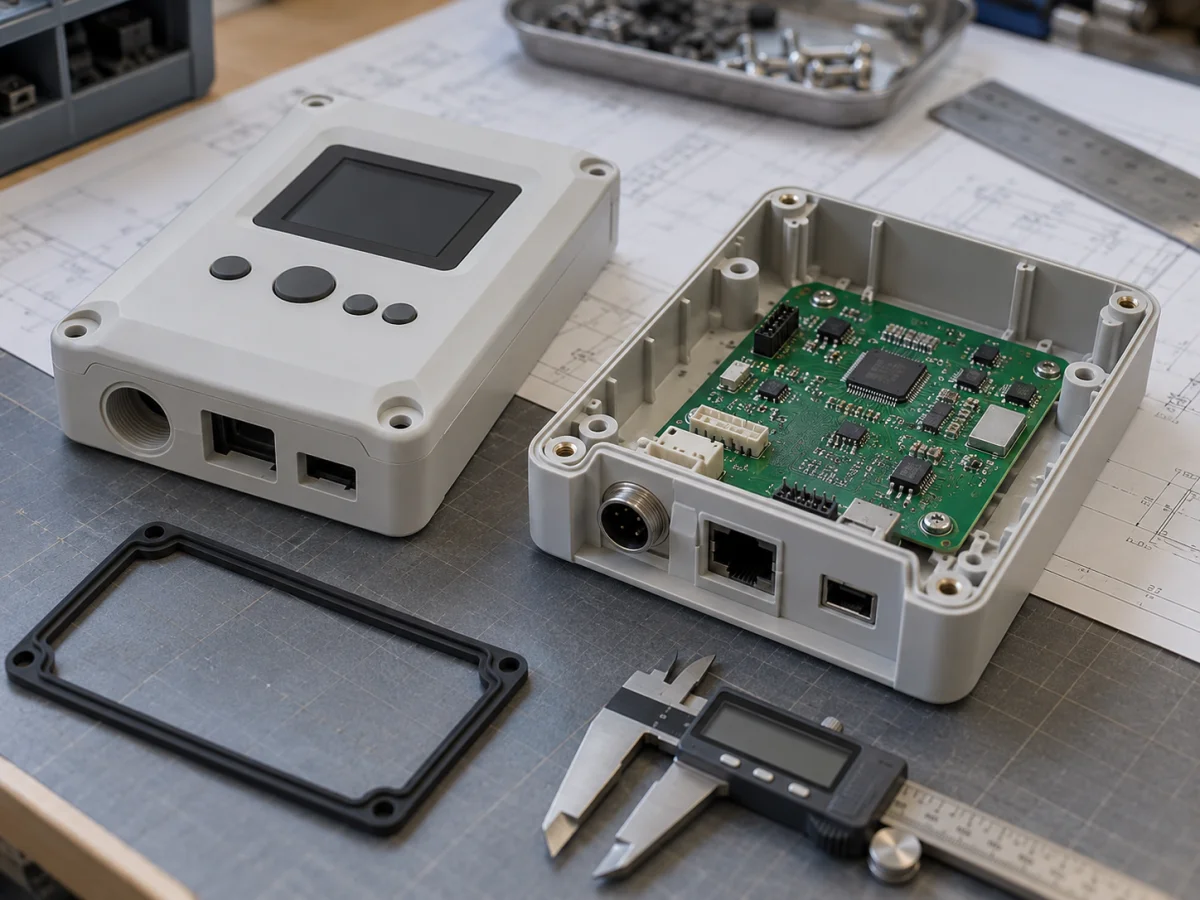
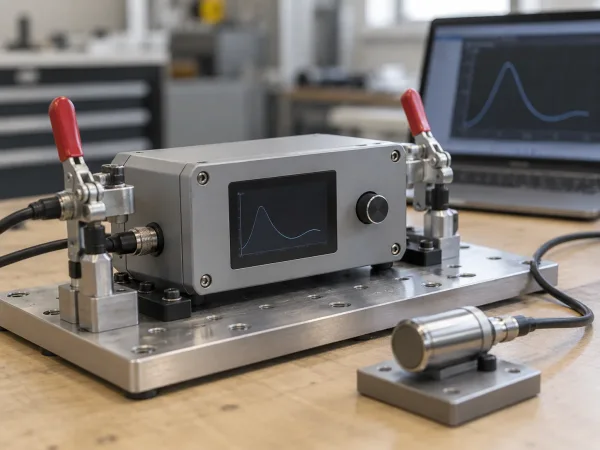
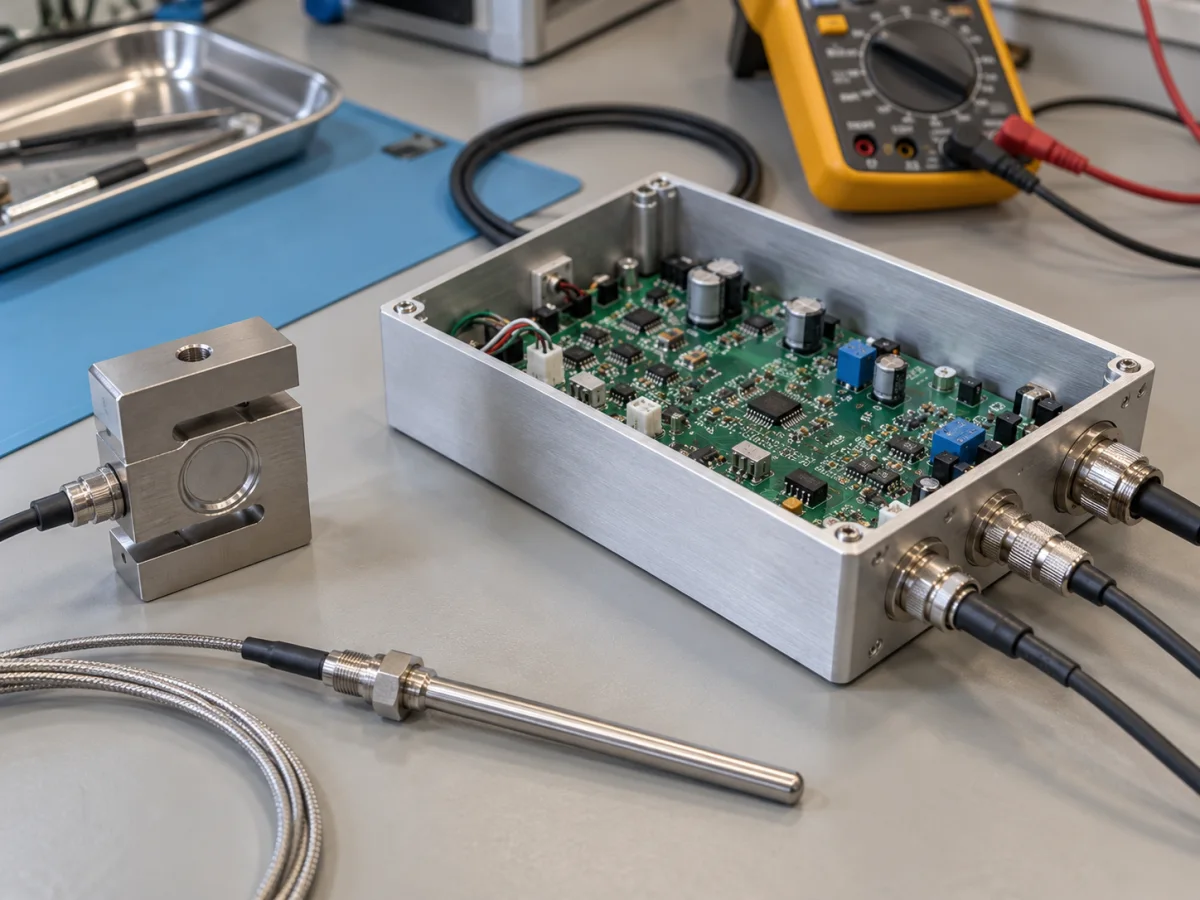
Aluminium data acquisition box with a multi-channel measurement board and sensors connected to it
Temperature and other measurements at critical points are logged with a multi-channel data acquisition board, so the numbers show that the test conditions do not overstress the product.
03

How are products loaded? Load types

When a power supply or LED driver is run without load, burn-in testing loses its meaning; the product must be loaded as in real use. The load is selected according to the product's power and the number of units tested.

  • Resistive load: simple and economical; suitable for low-power products with fixed outputs, but all the power is converted into heat.
  • Electronic load: adjustable in constant current, constant power or constant resistance mode; the load profile can be changed in software.
  • Real load: the product's own load, such as LED modules for LED drivers or motors for motor drives.
  • Energy recovery load: for high-power products, it feeds energy back to the grid or supply line instead of turning it into heat, reducing energy and cooling costs.

As total power increases, heat management in the rack, cable cross-sections and the electrical infrastructure also become part of the project. We do these calculations together at the design stage.

04

Per-channel monitoring and failure logging

The most critical information in burn-in is which product failed, when and how. Only checking “works / doesn't work” at the end of the test misses intermittent failures that drop out for a while during the test and then recover.

The rack continuously measures the output voltage and current of each channel. When a value leaves the defined band, the product is marked as failed and the failure time and measured values are logged; the supply to that channel is cut so that the failed product does not affect the others.

  • Voltage, current and optional temperature measurement per channel
  • Intermittent dropouts are caught too
  • Automatic channel shutdown at the moment of failure
  • Channel-to-serial-number mapping and batch report
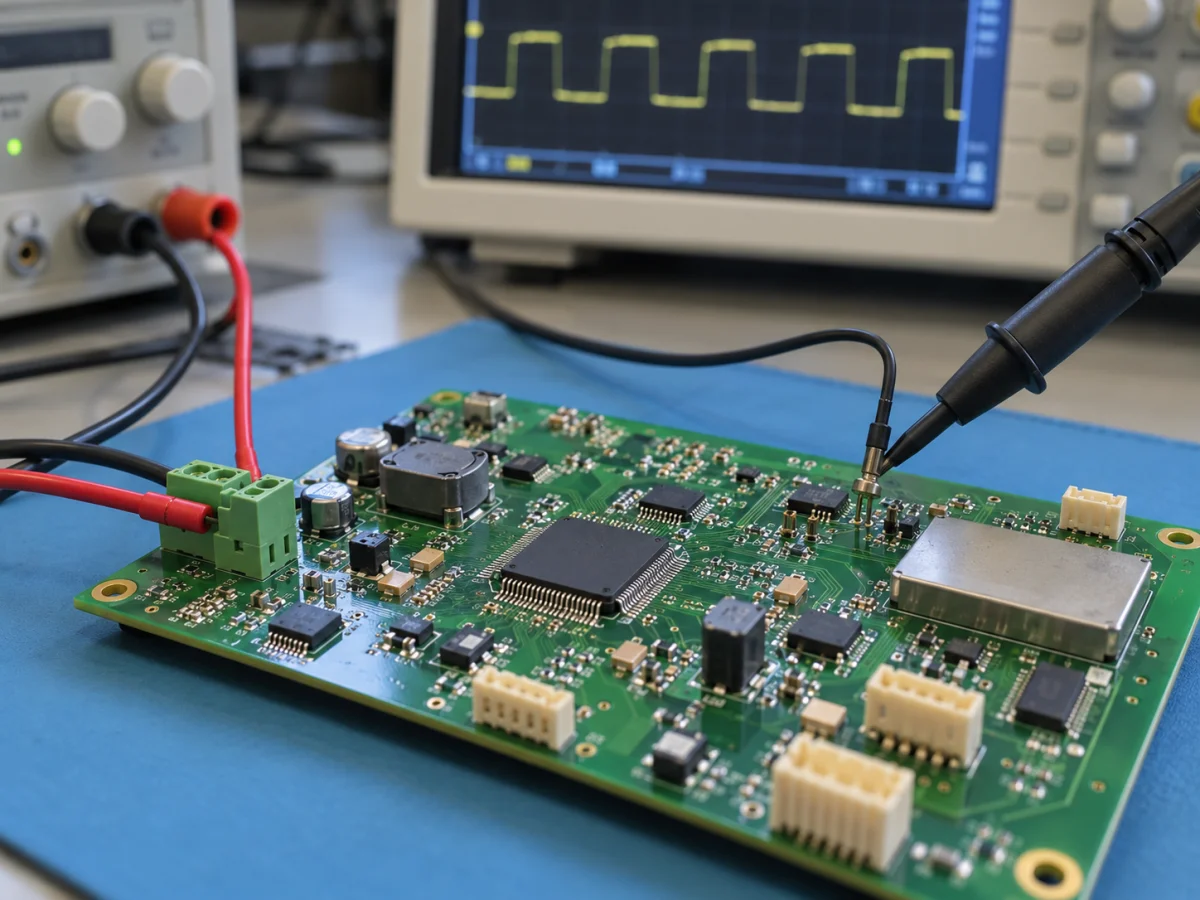
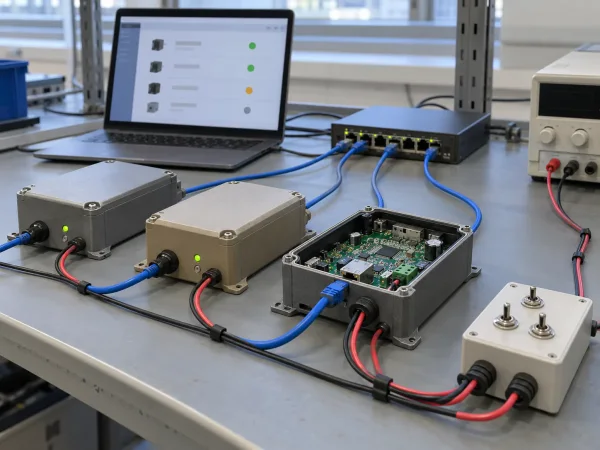
Measuring an electronic board connected to a laboratory power supply with an oscilloscope probe
The accuracy of the channel measurements is verified against calibrated measuring instruments.
05

On-off cycling and input voltage tests

Continuous operation catches some faults, but inrush current at switch-on, heating-cooling cycles and input voltage variations reveal other weaknesses. The rack software can switch products off and on at defined intervals.

For mains-powered products, running at low and high input voltage shows that the product is stable at its tolerance limits too. An adjustable-voltage supply or a tapped transformer is used for these tests; the scope is set according to the product type.

  • Programmable number and duration of on-off cycles
  • Low / nominal / high input voltage scenarios
  • Check that the output settles within the defined time at every switch-on
06

Safety: mains voltage, heat and fire risk

In a burn-in rack, many products run at the same time, for long periods and often unattended. That is why safety is the first item of the design, not an accessory to be added later.

  • Fuse and current limiting per channel
  • Independent over-temperature cut-out for the chamber temperature
  • Covers and locks preventing access to mains-voltage sections
  • Audible and visual alarm for faults and over-temperature, with optional remote notification
  • Flame-retardant materials and cable cross-sections sized for the current

The electrical infrastructure and ventilation of the area where the rack will be installed are also assessed at the start of the project.

Technical options

Features configured for your product

Channel count, load type and temperature range are set according to your product's power and your production volume.

Burn-in test rack configuration options
FeatureOptions
Product typeLED driver, adapter, power supply, charger, control board
Channel countAccording to product size and production volume; modular rack structure
Power supplyMains (AC) or DC; adjustable input voltage option
LoadResistive, electronic, real or energy recovery load
TemperatureRoom temperature, self-heating in an enclosed volume or a controlled heated chamber
MonitoringVoltage and current per channel; optional temperature points
ProgramTest duration, on-off cycling, input voltage scenarios
Data loggingSerial number mapping, failure time, batch report, CSV / database
SafetyChannel fuse, over-temperature cut-out, cover lock, alarm

Project process

From product data to a working rack

The rack is sized according to your product's power, volume and test conditions.

  1. 01

    We define the requirement

    We clarify the product type, output power, daily volume and target test time.

  2. 02

    We design the rack

    We plan the channel structure, load type, heat management and safety measures.

  3. 03

    We build and validate

    We build the rack, compare the measurements with calibrated instruments and test the safety functions.

  4. 04

    We commission

    We evaluate the test duration together using the first batch data and provide operator training.

Frequently asked questions

About burn-in testing

The product's power rating, input and output voltage and daily production volume are enough to start sizing the rack.

How many hours should a burn-in test last?

There is no single correct duration. The product type, failure history and customer expectations decide. We recommend running a longer test on the first batches, recording failure times and then optimizing the duration based on this data.

Does burn-in shorten the product's life?

With properly chosen conditions, the share of a good product's life that is consumed is small. If temperature and duration are set higher than necessary, the product is stressed needlessly. That is why conditions are set with the component limits in mind.

Is a heated chamber required?

No. For many power products, letting the rack heat up from the products' own heat in an enclosed volume provides enough temperature; the chamber temperature is measured and balanced with a fan. A heated chamber is used when a higher, constant temperature is required.

Can we test different products in the same rack?

Yes. If the channel connections are designed with interchangeable adapters, different product families can be tested in the same rack. A separate test program and limit values are defined for each product.

What determines the price?

Channel count, power per product, load type, temperature control, monitoring scope and safety requirements. For high-power products, an energy recovery load increases the initial investment while lowering operating costs.

Let's start from your product

Let your rack catch early failures, not your customer.

Share your product's power rating, daily volume and the failure types you see; we will prepare a suitable rack design and a quotation.

We develop products for companies, manufacturers and institutions. We do not take on student, thesis or hobby projects, or requests for PCB fabrication/assembly only, board repair or board copying.